Best Outdoor TVs for Patios & Decks
An indoor TV will fail outdoors within months. Purpose-built outdoor TVs handle rain, sun, dust, and temperature extremes — but the category is limited and expensive. Here's what actually works and what's worth the investment.
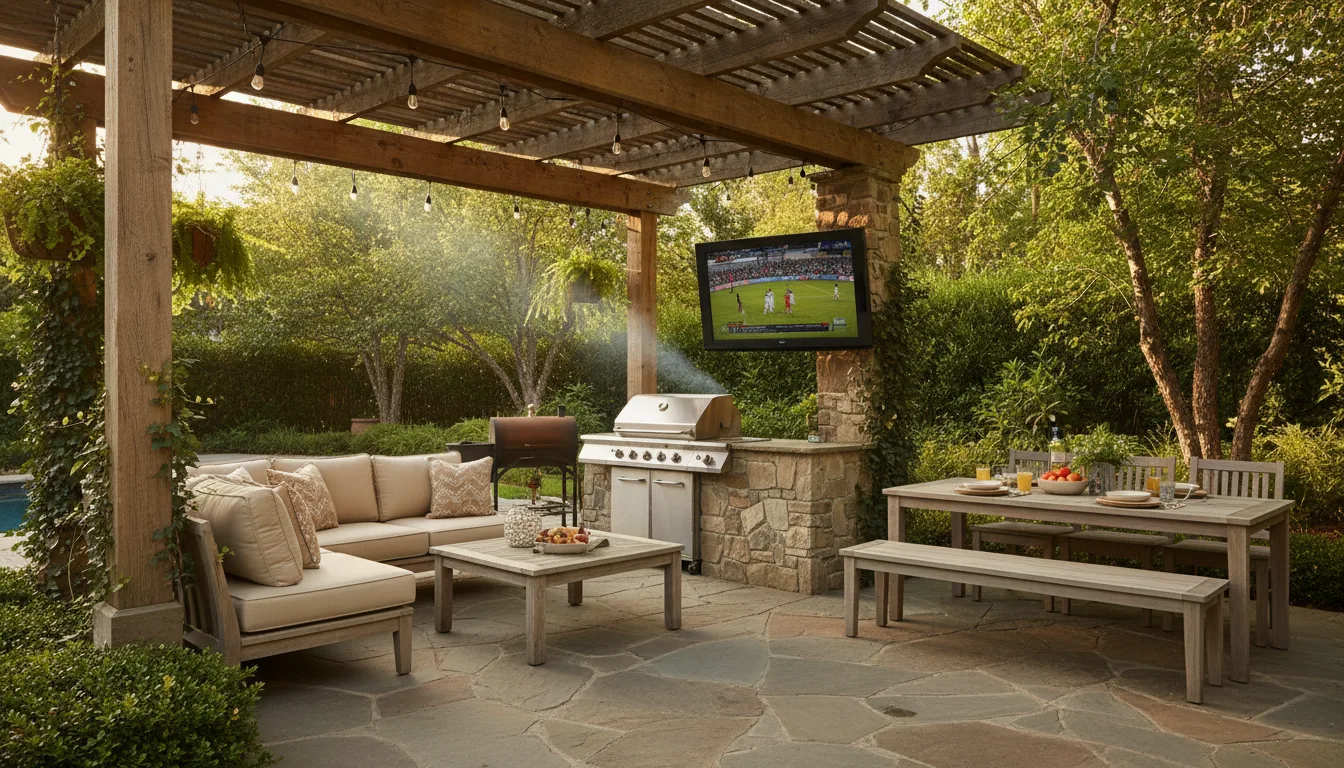
Why Indoor TVs Die Outdoors
It's tempting to mount a cheap indoor TV on the patio and hope for the best. That TV will last one season — maybe two if you're lucky. Moisture gets inside through ventilation gaps and unsealed ports, corroding circuit boards. Morning dew alone generates enough humidity to fog the screen from the inside. Temperature swings between day and night cause condensation buildup that accelerates the damage.
And then there's brightness. A typical indoor TV peaks around 300-500 nits. In direct sunlight, that screen is essentially a mirror — you'll see your own reflection more than the picture. Outdoor TVs solve both problems with sealed enclosures and high-brightness panels, but the engineering costs significantly more.
What Outdoor TV Buyers Need to Know
Weatherproofing: IP Ratings Explained
IP55 is the standard for outdoor TVs — protection against dust and water jets. This handles rain, sprinkler overspray, coastal salt air, and pollen/dust accumulation. For fully exposed installations (no roof coverage), look for IP55 or better. Under a covered patio, even IP54 is typically sufficient.
Brightness: 1500+ Nits for Daytime Use
Outdoor TVs need 1500-2500 nits for direct sunlight viewing and at least 700 nits for shaded patios. The SYLVOX outdoor TV hits around 2000 nits — watchable even on a sunny afternoon. No indoor TV, regardless of price, matches this brightness level.
Temperature Range
Outdoor TVs must operate across a wider temperature range than indoor models. The SYLVOX supports -22F to 122F, covering everything from Minnesota winters to Arizona summers. If you live in an extreme climate, check the operating range before buying.
Never mount an indoor TV outdoors without protection. Even under a covered patio, humidity, temperature swings, and insects will damage an unprotected indoor TV. If you use an indoor TV outdoors, invest in a weatherproof enclosure rated for your climate.
Our Outdoor TV Recommendations
1. SYLVOX 55" Superior Outdoor Smart TV — The Purpose-Built Outdoor TV
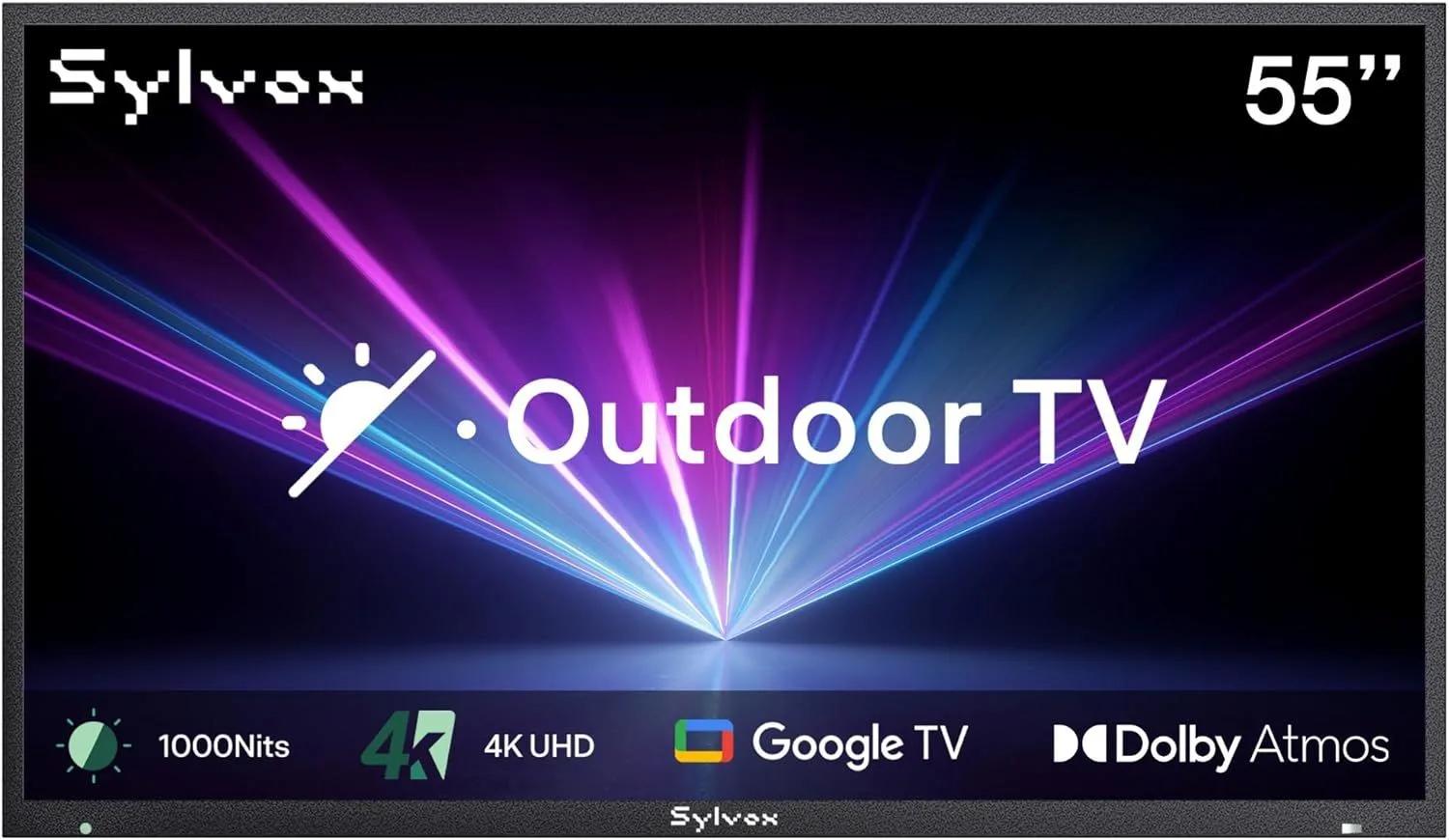
The SYLVOX 55" Outdoor is engineered from the ground up for outdoor use. IP55 weatherproofing, 2000-nit brightness, and a -22F to 122F operating range mean it handles anything nature throws at it. The picture quality specs are basic — 60Hz LED with HDR10 — because the engineering budget goes into survival, not pixel perfection. At $1,200–$1,800, you're paying for weather resistance, not picture quality.
Read our full SYLVOX 55" Outdoor review
For Covered Patios: High-Brightness Indoor Alternatives
If your patio has a solid roof and is reasonably protected from rain and direct moisture, a high-brightness indoor TV inside a weatherproof enclosure can work. The TV provides better picture quality, and the enclosure provides the weather protection. Here are two indoor TVs with the brightness needed for covered outdoor spaces:
2. Samsung 65" QN70F Neo QLED Mini-LED Smart TV (2025) — Best Bright-Room Indoor Option
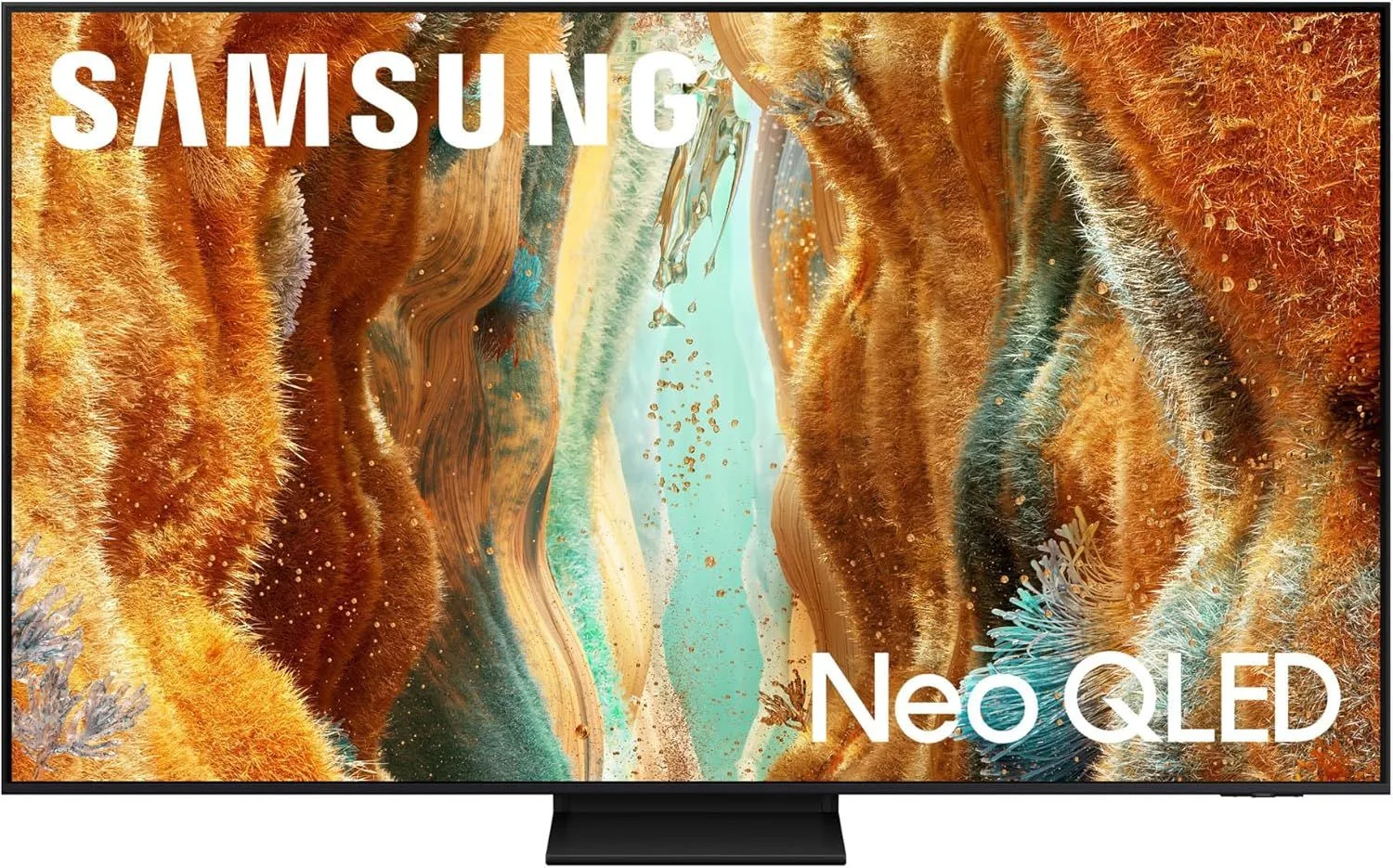
Samsung's anti-reflection coating makes the Samsung 65" QN70F the most glare-resistant indoor TV available. At around 1500 nits, it's watchable on a shaded patio — though it needs a weatherproof enclosure for any outdoor installation. At $800–$1,200, the TV plus a quality enclosure costs less than most purpose-built outdoor TVs.
Read our full Samsung 65" QN70F review
3. TCL 75" QM8K QD-Mini LED Premium 144Hz Smart TV — Maximum Brightness Indoor Alternative
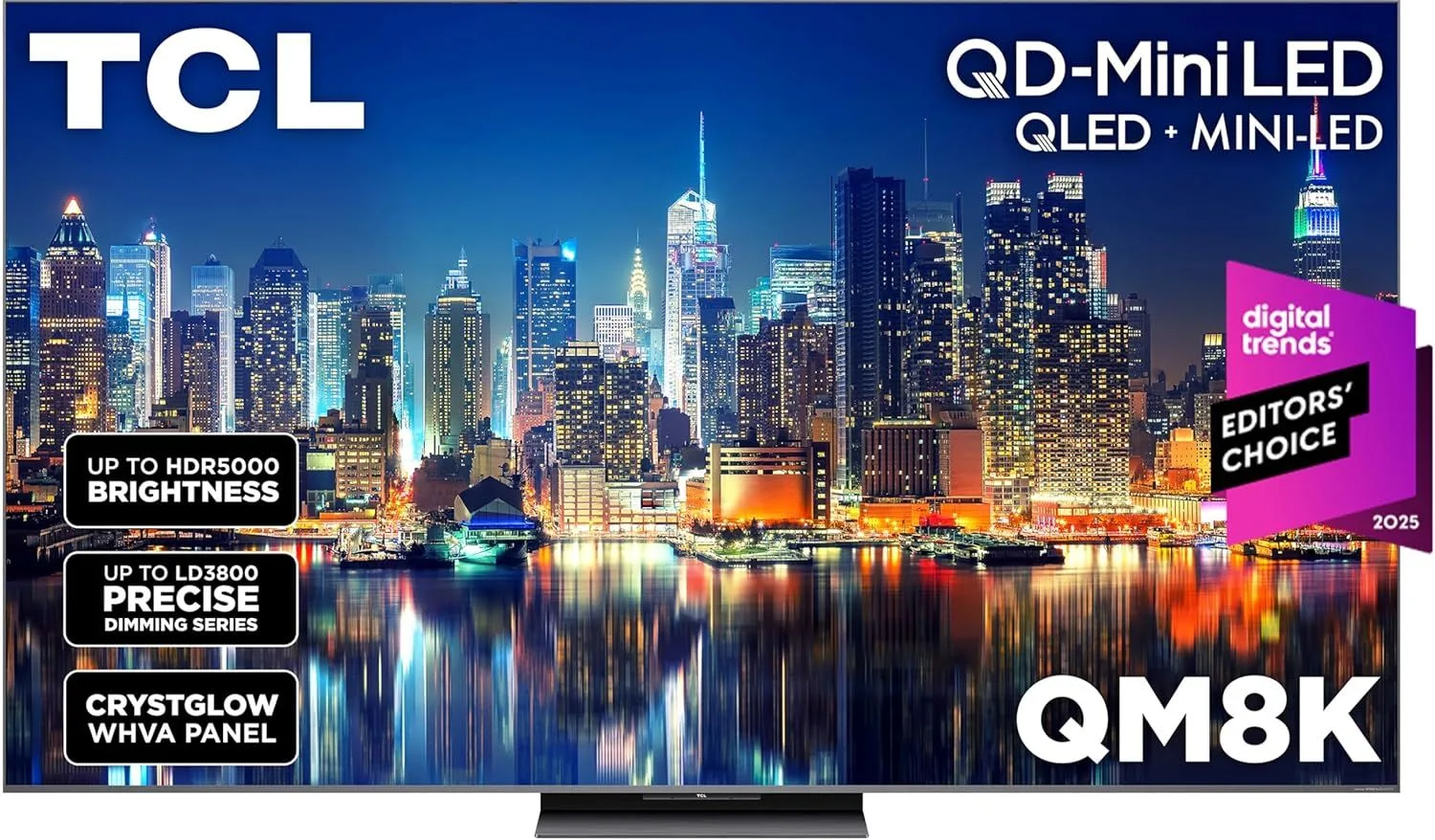
At 2500 nits, the TCL 75" QM8K is the brightest TV in our catalog — matching or exceeding most purpose-built outdoor TVs on raw brightness. Inside a weatherproof enclosure on a covered patio, this 75-inch Mini-LED flagship delivers a picture the SYLVOX can't approach. The $1,800+ price plus enclosure cost pushes the total investment higher, but the picture quality is in a different league.
Read our full TCL 75" QM8K review
Outdoor Installation Tips
In the Northern Hemisphere, mounting the TV on a north-facing wall means the screen never gets direct sun. Glare drops to near zero, and heat buildup on the panel is minimal. East-facing works for evening viewing; west-facing works for morning. South-facing is the worst option.
The power outlet for your outdoor TV must be a GFCI (Ground Fault Circuit Interrupter) outlet rated for outdoor use. This prevents electrical hazards in wet conditions. If you don't already have an outdoor GFCI outlet near the mounting location, hire an electrician — it's not a DIY job.
Insects love warm electronics. Outdoor TVs and enclosures should be sealed against insect entry. Wasps, spiders, and ants build nests inside warm electronics, causing shorts and damage. Purpose-built outdoor TVs address this; DIY enclosures may need additional sealing.
Frequently Asked Questions
Can I use a regular indoor TV outside?
Not long-term. Indoor TVs aren't sealed against moisture, dust, or temperature extremes. Rain, humidity, morning dew, and temperature swings will corrode internal components within months. Even under a covered patio, humidity alone can damage an indoor TV. If you want outdoor TV that lasts, use a purpose-built outdoor model or a weatherproof TV enclosure.
How bright does an outdoor TV need to be?
At minimum 700 nits for a shaded patio. For direct sunlight exposure, you need 1500-2500+ nits to remain watchable. Standard indoor TVs peak at 300-500 nits, which is virtually unwatchable in daylight. Purpose-built outdoor TVs like the SYLVOX hit 2000 nits specifically for sunlight visibility.
What does IP55 weatherproofing mean?
IP55 means the TV is protected against dust ingress (5 = dust-protected) and water jets from any direction (5 = water jet protection). It handles rain, sprinkler spray, and dusty conditions. It's NOT fully waterproof — don't submerge it or aim a pressure washer at it. For most patio and deck installations, IP55 is more than adequate.
How cold or hot can outdoor TVs get?
The SYLVOX operates from -22F to 122F. Standard indoor TVs are rated for 50-95F. Outdoor TVs use sealed enclosures and sometimes internal heaters or fans to handle temperature extremes. If you live somewhere with hard freezes or extreme heat, check the operating temperature range before buying.
Are outdoor TV enclosures a good alternative?
Weatherproof TV enclosures let you use a standard indoor TV outdoors by sealing it inside a protective case. Prices vary widely by size and build quality — some cost nearly as much as the TV itself. The advantage: you use any TV you want. The disadvantages: added bulk, potential ventilation issues, and the TV still needs adequate brightness for outdoor viewing.
What about glare on an outdoor TV?
Glare is the biggest challenge for outdoor TVs. Anti-glare coatings help, but nothing fully eliminates reflections in direct sunlight. Position the TV facing north (in the Northern Hemisphere) to avoid direct sun on the screen. An outdoor shade sail or pergola covering makes a massive difference in daytime visibility.
Take TV Outside
For a fully exposed patio, deck, or outdoor kitchen, the SYLVOX 55" Outdoor is the reliable choice — built to survive rain, sun, and temperature extremes. For a covered patio where picture quality matters more, pair the Samsung 65" QN70F with a weatherproof enclosure for the best of both worlds.