LG 55" OLED C5 vs Samsung 65" QN70F: Which Is Better in 2026?
The fundamental TV question of 2026: OLED's perfect blacks or Mini-LED's superior brightness and bigger screen? The C5 is 55" of perfection; the QN70F is 65" of raw brightness. The LG is modestly more expensive than the Samsung, but the Samsung gives you 10 more inches of screen.
Verdict: The LG 55" OLED C5 delivers a better picture per pixel — infinite contrast, perfect blacks, faster gaming response. But the Samsung 65" QN70F gives you a bigger, brighter screen that handles sunlit rooms. Choose picture perfection or screen size.
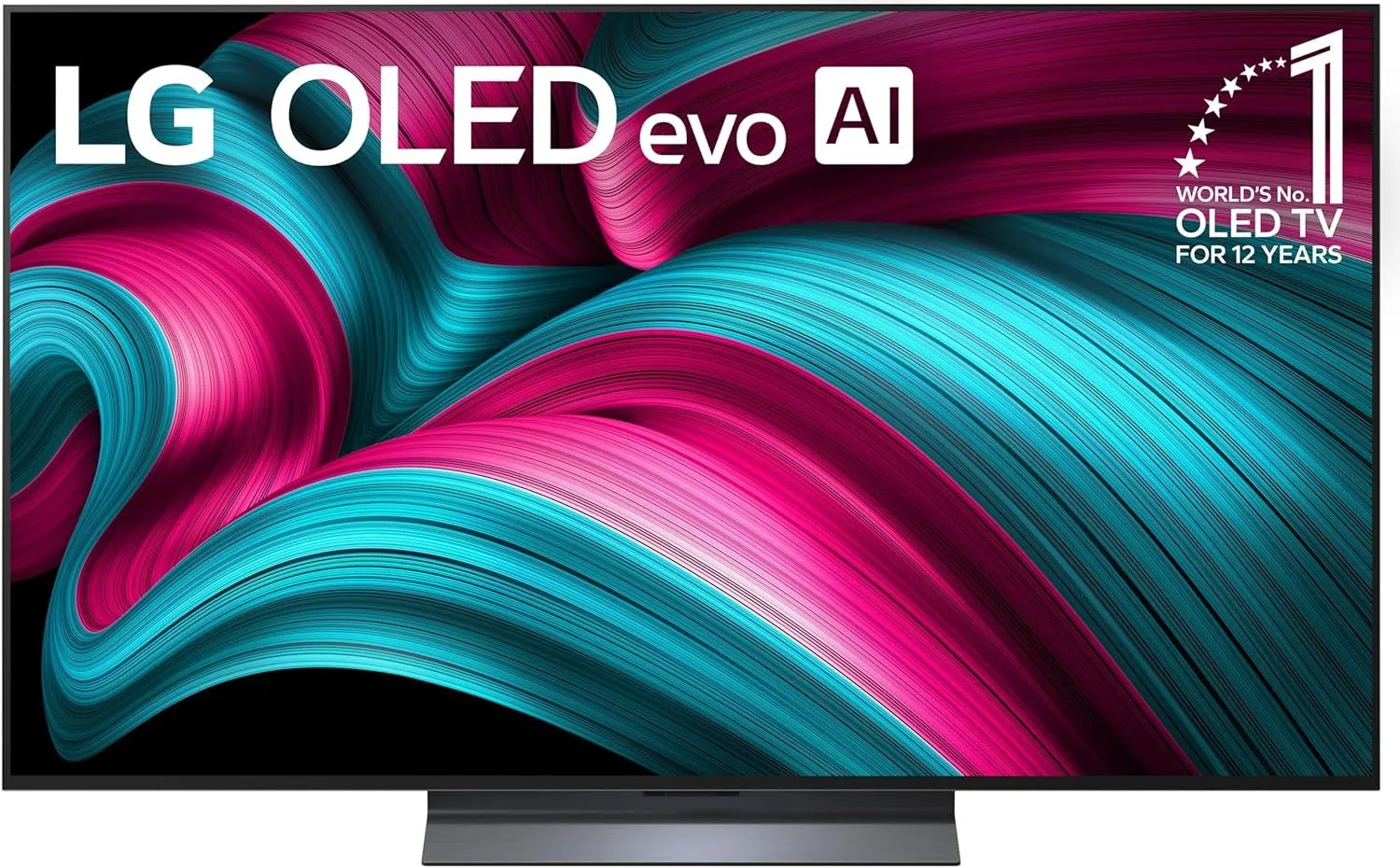
LG 55" OLED C5
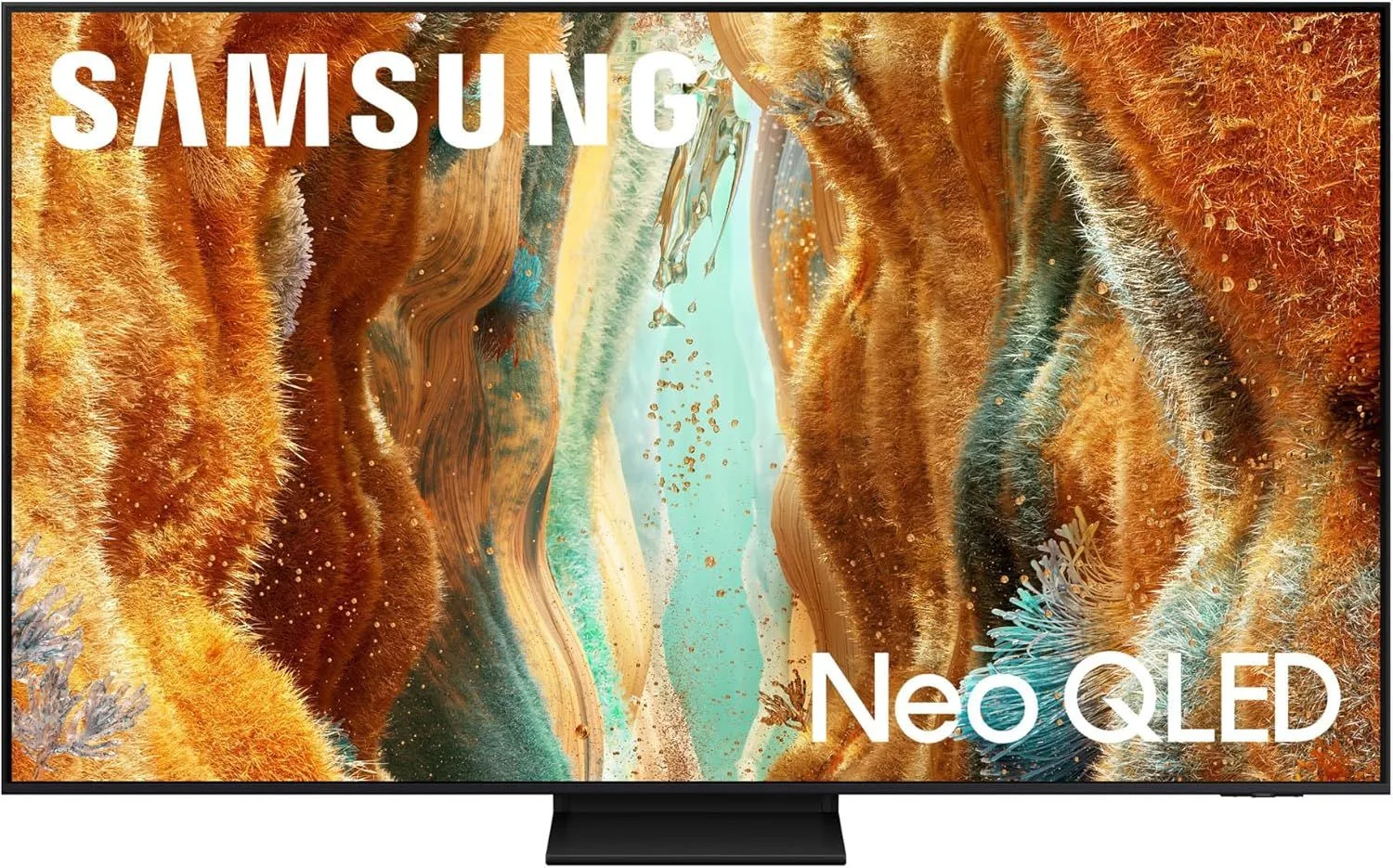
Samsung 65" QN70F
At a Glance
| Feature | Editor's Pick LG 55" OLED evo C5 Smart TV (2025) | Samsung 65" QN70F Neo QLED Mini-LED Smart TV (2025) |
|---|---|---|
| Price Range | $800–$1,200 | $800–$1,200 |
| Screen Size | 55" | 65" |
| Panel Type | WOLED evo | Mini-LED |
| Resolution | 4K UHD | 4K UHD |
| Refresh Rate | 120Hz | 120Hz |
| HDR Formats | HDR10, Dolby Vision IQ, HLG | HDR10+, HLG |
| Smart Platform | webOS | Tizen |
| Check Price | Check Price |
The Core Dilemma: Blacks vs Brightness
Contrast & Black Levels C5 OLED Wins
Not close. OLED pixels emit their own light and turn off completely for black. The C5's black is the absence of light — not a very dark gray, but actual black. The QN70F's Mini-LED zones can get very dark, but light bleed between zones means "black" is always slightly illuminated. In a dark room with a letterboxed movie, the C5's black bars are invisible. The QN70F's black bars glow faintly.
This difference matters most in dark-room viewing. In a bright room, ambient light washes out both TVs' black levels and the gap narrows considerably.
Peak Brightness & HDR Highlights QN70F Wins
The QN70F pushes roughly 1500 nits versus the C5's approximately 1000 nits. That 50% brightness advantage is visible in HDR content — a neon sign in a dark alley, sunlight through a window, an explosion. The Samsung renders these highlights with more punch and sustained intensity. OLED's ABL (auto brightness limiter) dims the screen during large bright scenes; Mini-LED can sustain full brightness across more of the screen.
For daytime viewing in a bright room, the QN70F's brightness advantage compounds with its anti-reflection coating. It's the better daytime TV by a wide margin.
Gaming Response C5 OLED Wins
The C5 has four HDMI 2.1 ports with sub-1ms response time — the fastest input response available. Every input registers almost instantaneously. The QN70F has two HDMI 2.1 ports with excellent but marginally slower response. For competitive gamers playing shooters or fighting games, that sub-1ms response is a real advantage.
Both support VRR and ALLM. The C5 runs at 120Hz; the QN70F also at 120Hz. The gaming experience is superb on both — the C5 just responds a fraction faster.
Color Accuracy & Processing C5 OLED Wins
LG's a11 Gen2 processor and WOLED panel deliver reference-grade color accuracy out of the box. The C5 covers a wider color gamut with better per-pixel precision than any Mini-LED can match. Samsung's NQ4 processor is competent, but the QN70F isn't Samsung's flagship chip — color processing is good, not great.
Filmmaker Mode on the C5 nails the director's intent with virtually zero calibration needed. The QN70F requires more tuning to reach its best picture.
Screen Size & Room Fit QN70F Wins
The QN70F is 65 inches; the C5 here is 55 inches. That's a real difference in perceived immersion. For a living room where you sit 8-10 feet from the screen, 65" fills the field of view noticeably more than 55". If screen size is a priority and your budget is fixed, the Samsung delivers more screen for the money.
LG does sell the C5 at 65" — but that model costs significantly more, pushing this comparison into a different price bracket entirely.
Viewing Angles C5 OLED Wins
OLED maintains color accuracy and contrast at extreme angles. The C5 looks nearly identical whether you're centered or sitting 45 degrees off-axis. The QN70F has Samsung's wide viewing angle tech, which is better than most VA panels, but still can't match OLED's near-perfect off-axis performance. In a room where people sit at varied positions, the C5 gives everyone the same picture.
Who Should Get Which?
Get the LG 55" OLED C5 if...
- You watch movies and shows in a dark or dimmed room — OLED's blacks are unbeatable
- Gaming response time is critical — four HDMI 2.1 ports with sub-1ms response
- You value color accuracy and out-of-box calibration over raw brightness
- Your seating arrangement is wide — OLED viewing angles beat any LCD technology
Get the Samsung 65" QN70F if...
- Your living room has lots of natural light — Samsung's anti-reflection is unmatched
- You want a bigger screen — 65" delivers more immersion than 55"
- HDR brightness matters more than perfect blacks for your content
- You're concerned about OLED burn-in from static content like news tickers or HUDs
Frequently Asked Questions
Is the LG C5 OLED better than the Samsung QN70F for movies?
For dark-room movie watching, the LG C5's perfect blacks and infinite contrast ratio produce a more cinematic image. The Samsung QN70F is brighter in HDR highlights, but can't match the C5's shadow detail and black uniformity. Movie purists will prefer the OLED.
Does OLED burn-in still happen on the LG C5?
Modern OLEDs have extensive burn-in prevention (pixel shifting, logo dimming, screen refresh). For typical mixed use — streaming, gaming, sports — burn-in is extremely unlikely. Static content like news tickers or HUD elements for 8+ hours daily is the only real risk scenario.
Which is bigger — LG C5 55" or Samsung QN70F 65"?
The Samsung QN70F is 65 inches versus the C5's 55 inches — a full 10 inches of additional screen diagonal. If screen size matters more than absolute picture quality, the Samsung delivers more visual real estate.
Which is better for PS5 gaming — OLED C5 or QN70F?
The LG C5 has four HDMI 2.1 ports with sub-1ms response time — the fastest gaming TV available. The Samsung QN70F has two HDMI 2.1 ports with strong but slightly slower response. For competitive gaming where every millisecond matters, the C5 wins.
Can the Samsung QN70F get as dark as the LG C5 OLED?
No. OLED pixels turn off completely for pure black. Mini-LED uses local dimming zones that can't achieve true black — there's always some light leakage. The C5's blacks are visibly darker in every dark-room scenario.