Best Mid-Range & QLED TVs 2026: Expert Picks
We put 17 QLED and enhanced LED TVs through their paces — from clearance-priced 2023 models to the latest 2025 flagships. This is the category where the TV market gets interesting: quantum dot color, 120Hz gaming, local dimming, and multiple smart platforms competing for your living room. The right mid-range TV delivers 80% of flagship performance at a fraction of the cost.
Mid-range is where the value equation shifts. Budget TVs compete on price; mid-range TVs compete on features. Every model here adds something real over the budget tier: wider color gamut from quantum dots, 120Hz panels for gaming, local dimming for better contrast, or premium processing for superior upscaling. The trick is figuring out which features matter most for how you watch.
At a Glance: Top Mid-Range & QLED Picks
Our top six picks compared. All 17 models are reviewed individually below.
| Feature | Editor's Pick Roku 65" Pro Series | Sony 55" BRAVIA 3 | Samsung 55" Q8F QLED | Samsung 65" Q8F QLED | Roku 75" Pro Series | Samsung 75" Q8F QLED |
|---|---|---|---|---|---|---|
| Price Range | $300–$500 | $500–$800 | $500–$800 | $500–$800 | $500–$800 | $800–$1,200 |
| Screen Size | 65" | 55" | 55" | 65" | 75" | 75" |
| Panel Type | QLED | LED | QLED | QLED | QLED | QLED |
| Resolution | 4K UHD | 4K UHD | 4K UHD | 4K UHD | 4K UHD | 4K UHD |
| Refresh Rate | 120Hz | 60Hz | 120Hz | 120Hz | 120Hz | 120Hz |
| HDR Formats | HDR10+, Dolby Vision, HLG | HDR10, Dolby Vision, HLG | HDR10+, HLG | HDR10+, HLG | HDR10+, Dolby Vision, HLG | HDR10+, HLG |
| Smart Platform | Roku OS | Google TV | Tizen | Tizen | Roku OS | Tizen |
| Check Price | Check Price | Check Price | Check Price | Check Price | Check Price |
Every Mid-Range & QLED TV, Ranked
1. Roku 65" Pro Series QLED Smart TV (2025) — Roku loyalists and non-technical users wanting great picture without platform complexity
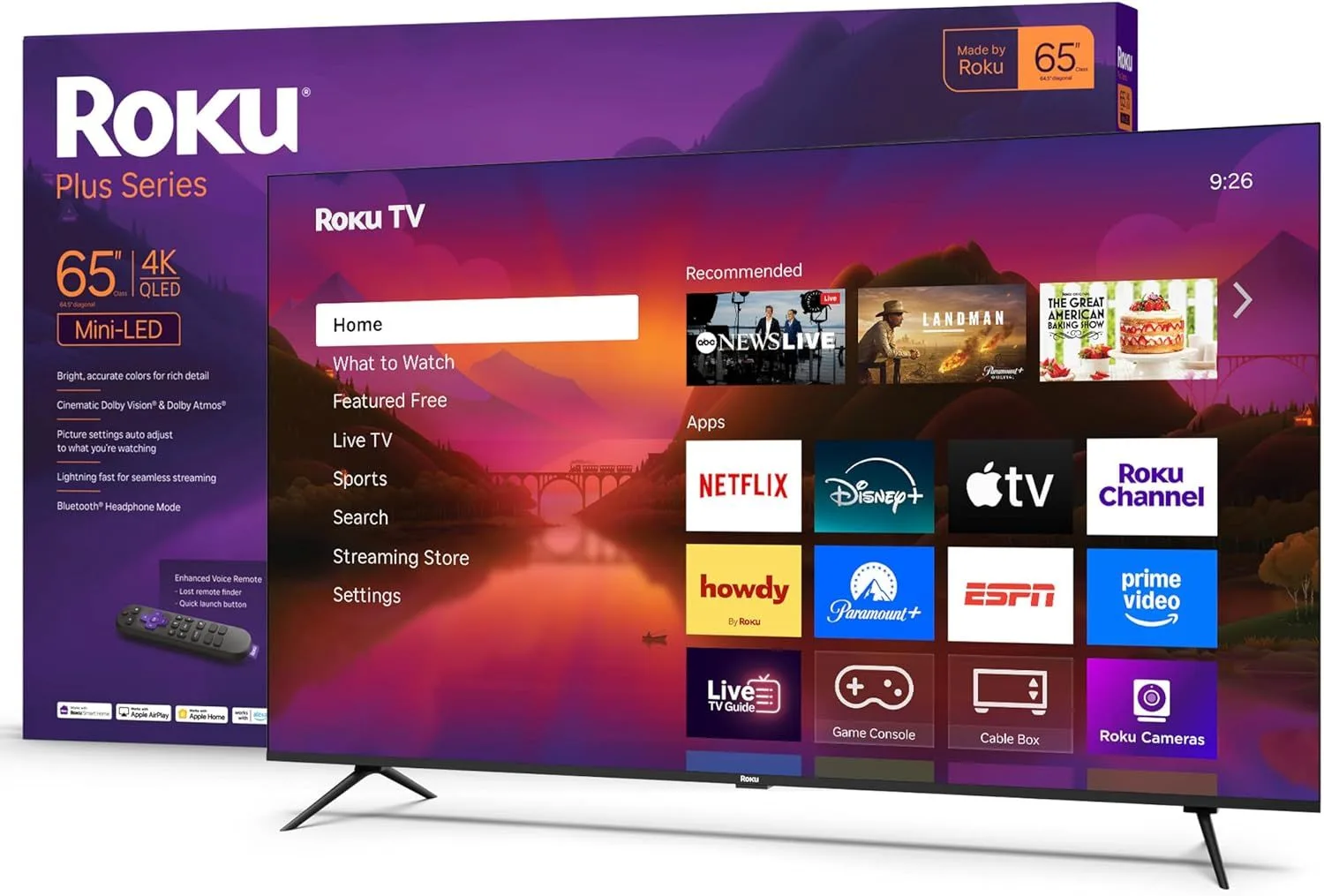
The Roku Pro Series is the rare TV that excels at both picture quality AND ease of use. Local dimming and 120Hz at this price, combined with Roku's simplicity, make it a standout.
Pros
- Full-array local dimming with QLED — unusual at this price
- 120Hz with VRR for gaming
- Roku's clean, ad-light interface with Apple AirPlay
Cons
- Roku OS lacks advanced customization options
- Limited peak brightness vs Samsung and TCL flagships
- Smaller app selection than Google TV
2. Sony 55" BRAVIA 3 4K LED Smart Google TV — Picture quality purists who value color accuracy and motion handling over features
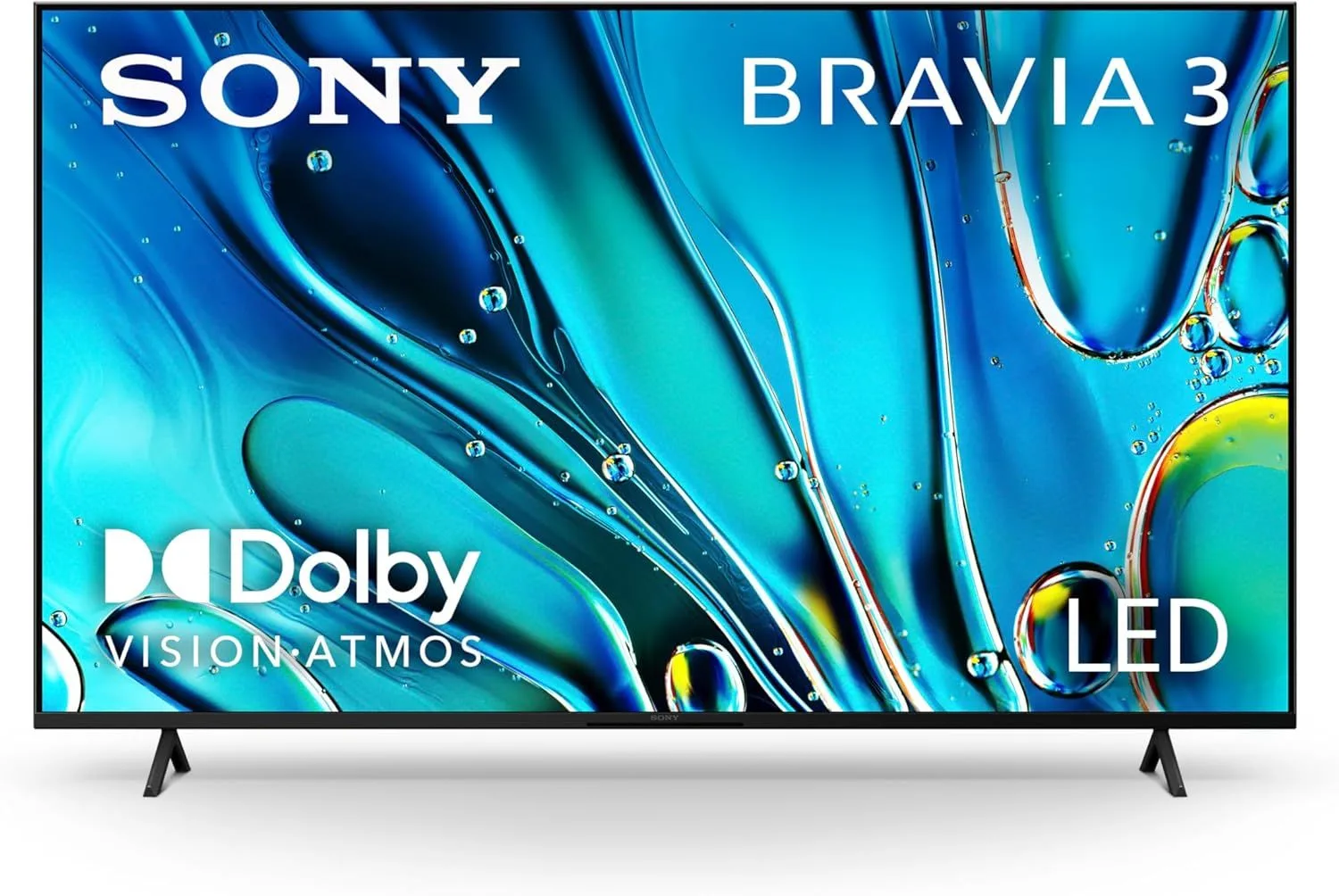
The only budget TV with Sony's image processing. The X1 chip makes the same 4K LED panel look noticeably better than competitors. You're paying for processing quality, and it's worth it for movie watchers.
Pros
- Sony X1 processor delivers genuinely better upscaling than any budget competitor
- Best out-of-box color accuracy in this price range
- Google TV with Chromecast and BRAVIA features
Cons
- Significantly more expensive than similar-spec competitors
- Still 60Hz — no gaming advantage
- No HDMI 2.1 ports
3. Samsung 55" Q8F QLED AirSlim Smart TV (2025) — Samsung fans who want local dimming and proper gaming support
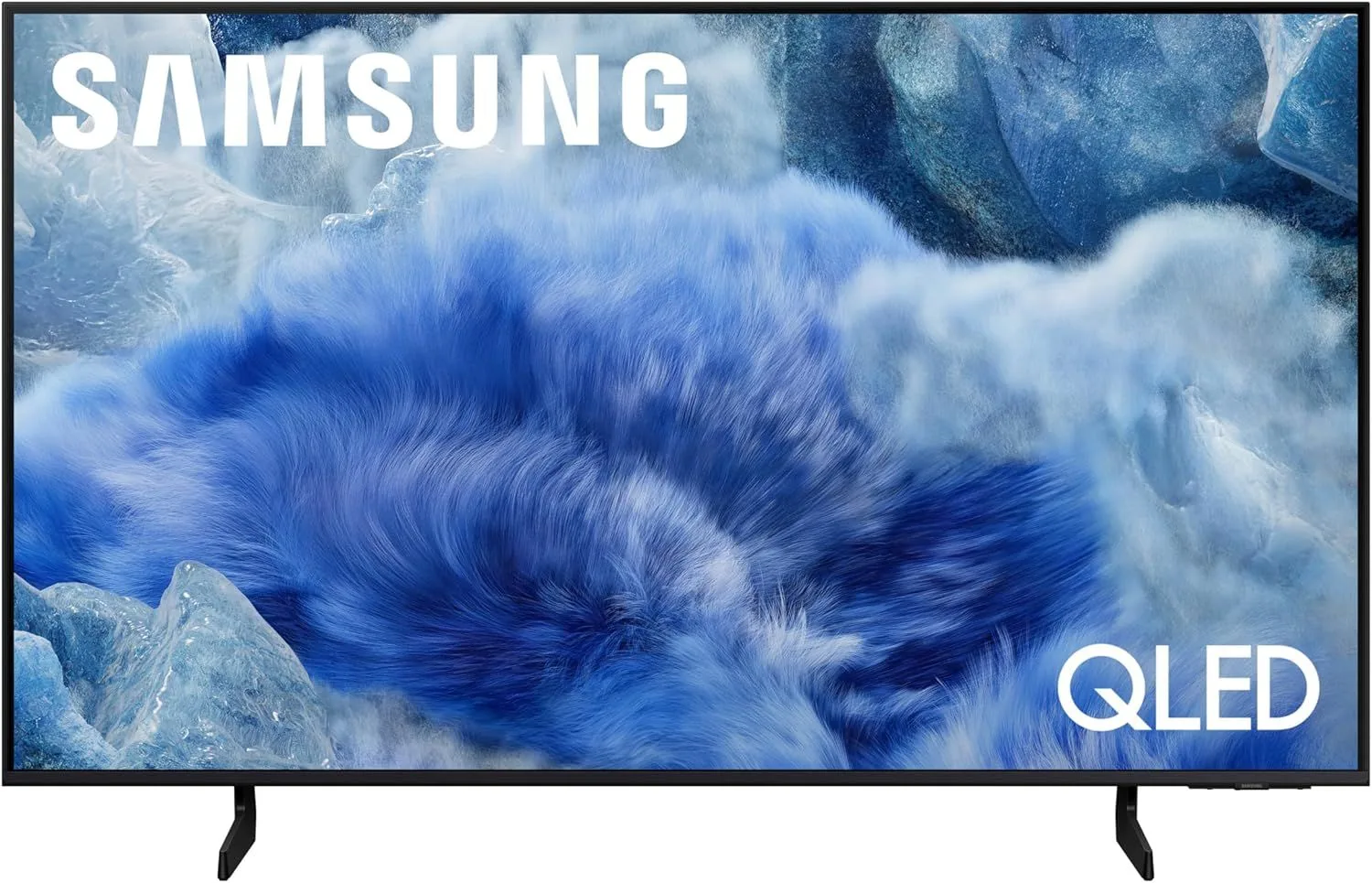
The Q8F adds local dimming and a second HDMI 2.1 over the Q7F — meaningful upgrades for gamers and movie watchers. But the price creeps into Mini-LED territory where competitors offer more.
Pros
- Full-array local dimming adds real contrast improvement
- Two HDMI 2.1 ports for dual console gaming
- Object Tracking Sound+ for spatial audio
Cons
- No Dolby Vision — HDR10+ only
- Approaches Mini-LED pricing without Mini-LED performance
- Samsung's dimming zone count is modest for the price
4. Samsung 65" Q8F QLED AirSlim Smart TV (2025) — Samsung fans who want local dimming and gaming at the upper mid-range
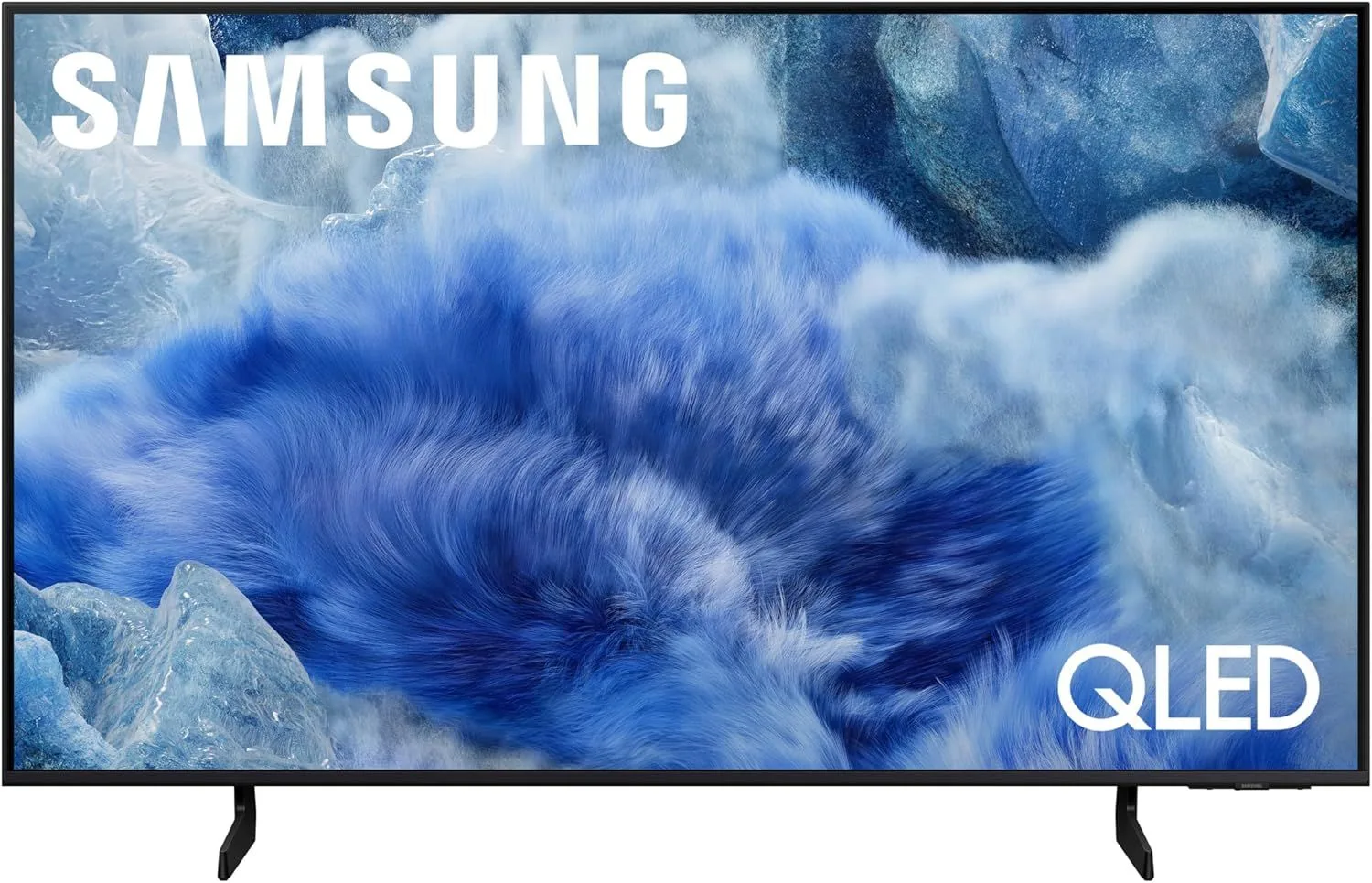
Samsung's Q8F adds meaningful upgrades over the Q7F: local dimming and dual HDMI 2.1. But at this price, you're knocking on Mini-LED's door where competitors deliver more zones and brightness.
Pros
- Full-array local dimming improves HDR and dark scene performance
- Two HDMI 2.1 ports for PS5 and Xbox simultaneously
- Samsung Object Tracking Sound+ with Dolby Atmos
Cons
- No Dolby Vision — Samsung HDR10+ only
- At this price, Mini-LED competitors offer better contrast
- Dimming zone count is modest compared to Hisense and TCL
5. Roku 75" Pro Series QLED Smart TV (2025) — Simplicity seekers wanting a premium 75" experience without complexity
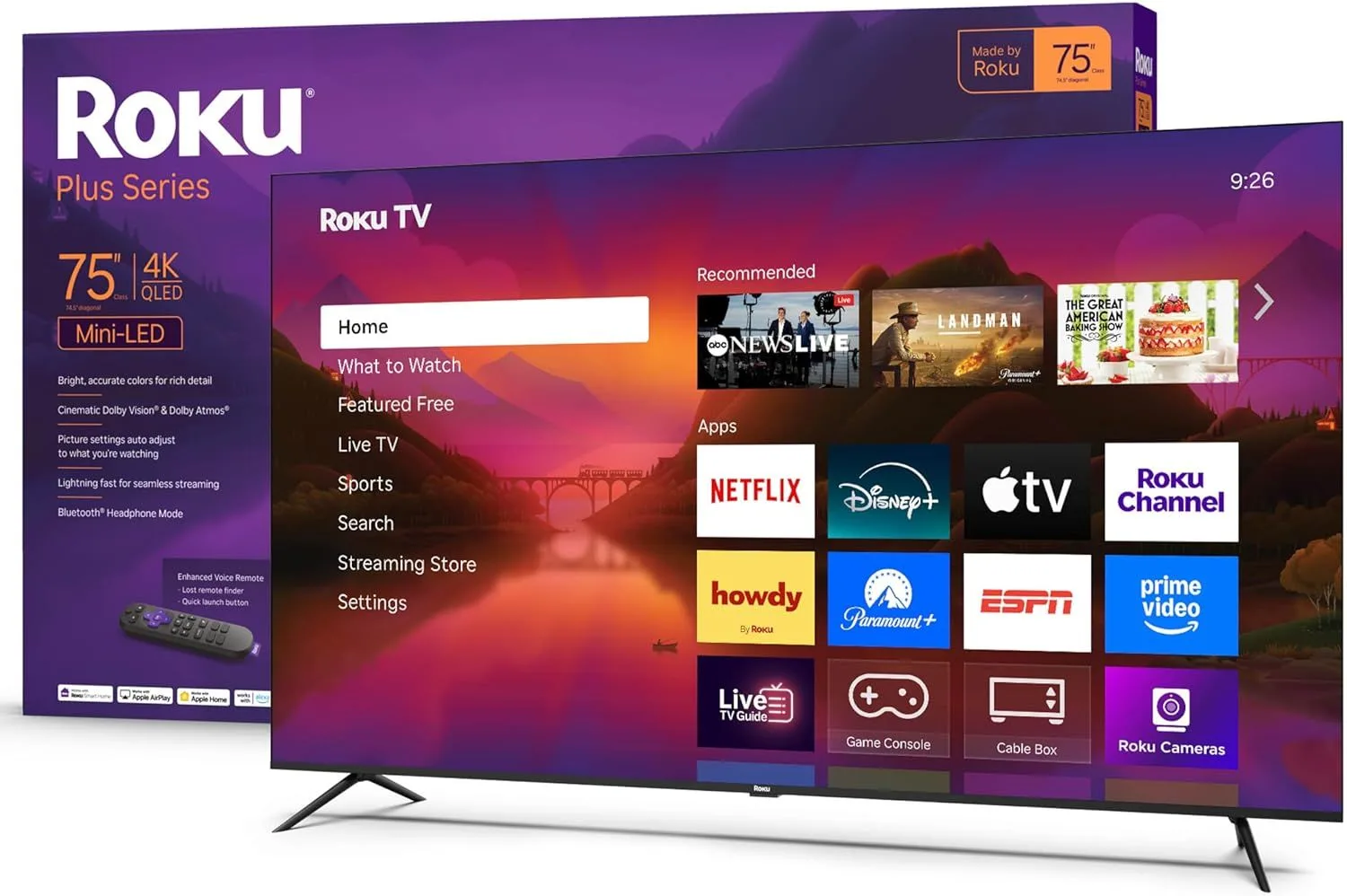
Roku's 75" Pro Series proves that simplicity and quality aren't mutually exclusive. Local dimming and 120Hz in a package that anyone can use makes it ideal for multi-generation households.
Pros
- Clean Roku interface at 75" — no bloatware
- Full-array local dimming with 120Hz
- Dolby Vision and Apple AirPlay support
Cons
- Premium pricing for a Roku at 75"
- Limited peak brightness vs Samsung and TCL
- Fewer advanced features than Google TV or Tizen
6. Samsung 75" Q8F QLED AirSlim Smart TV (2025) — Samsung-devoted households wanting local dimming and gaming at 75"
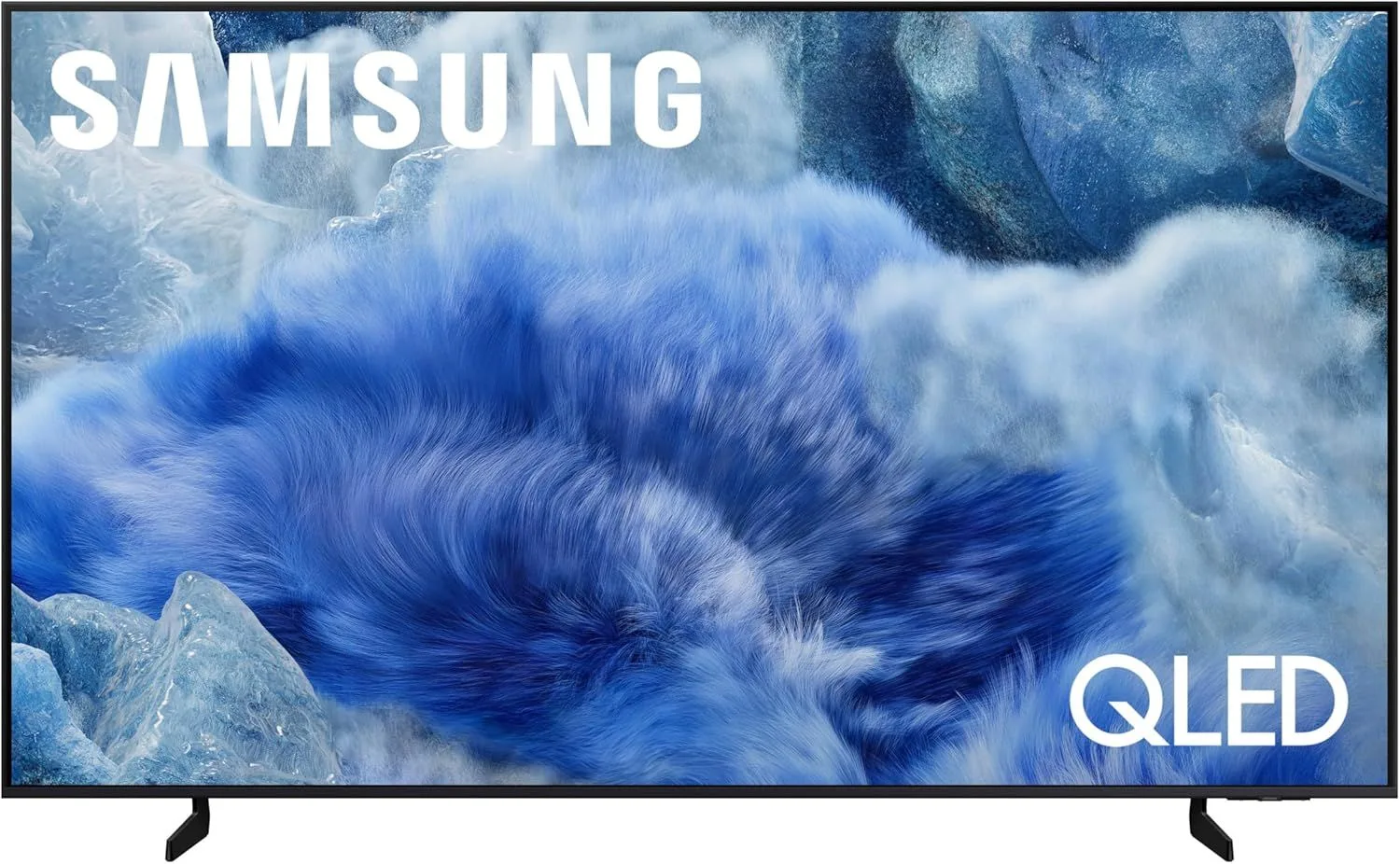
The 75" Q8F adds local dimming and dual HDMI 2.1 — meaningful for dark room viewing and gaming. But Mini-LED TVs at similar prices make this a tough recommendation on specs alone.
Pros
- Full-array local dimming at 75" improves HDR significantly
- Two HDMI 2.1 ports for dual console gaming
- Object Tracking Sound+ fills a large room
Cons
- No Dolby Vision
- At this price, Mini-LED competitors offer dramatically more zones
- Samsung premium pricing vs Hisense and TCL
7. Sony 75" BRAVIA 3 4K LED Smart Google TV — Movie enthusiasts who prioritize color accuracy and Sony processing at 75"
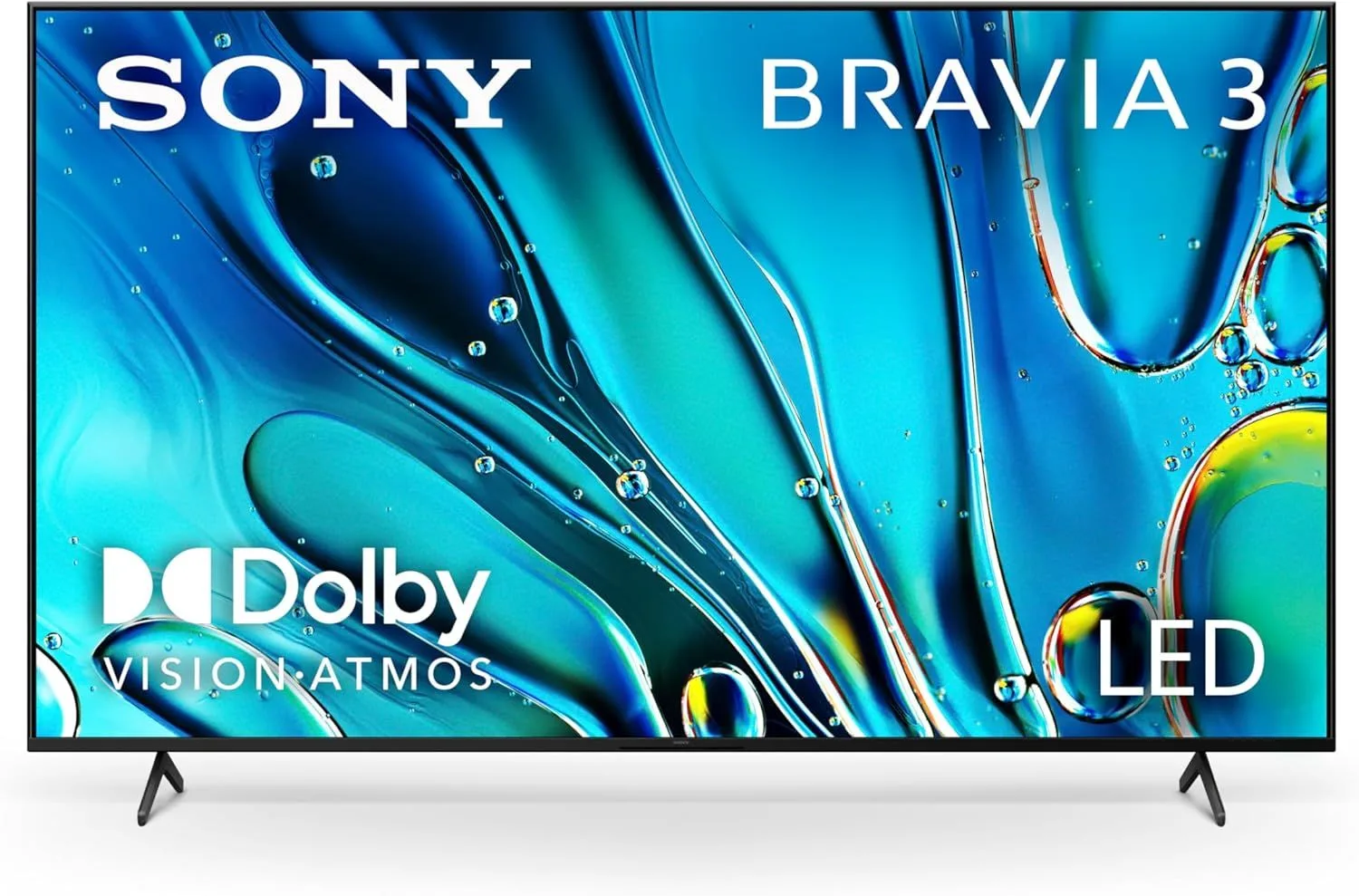
Sony's X1 processing at 75" makes this LED panel punch above its weight in color accuracy and motion handling. But at this price, the lack of 120Hz and HDMI 2.1 is hard to overlook for anyone who games.
Pros
- Sony X1 processor delivers the best upscaling at this tier
- Reference-level out-of-box color accuracy
- Google TV with BRAVIA features and Chromecast
Cons
- 60Hz limits gaming
- No HDMI 2.1 ports
- Expensive for an LED panel when Mini-LED exists at this price
8. Amazon Fire TV 55" Omni QLED Series (2023) — Deal hunters wanting QLED and Ambient Experience at the lowest possible price
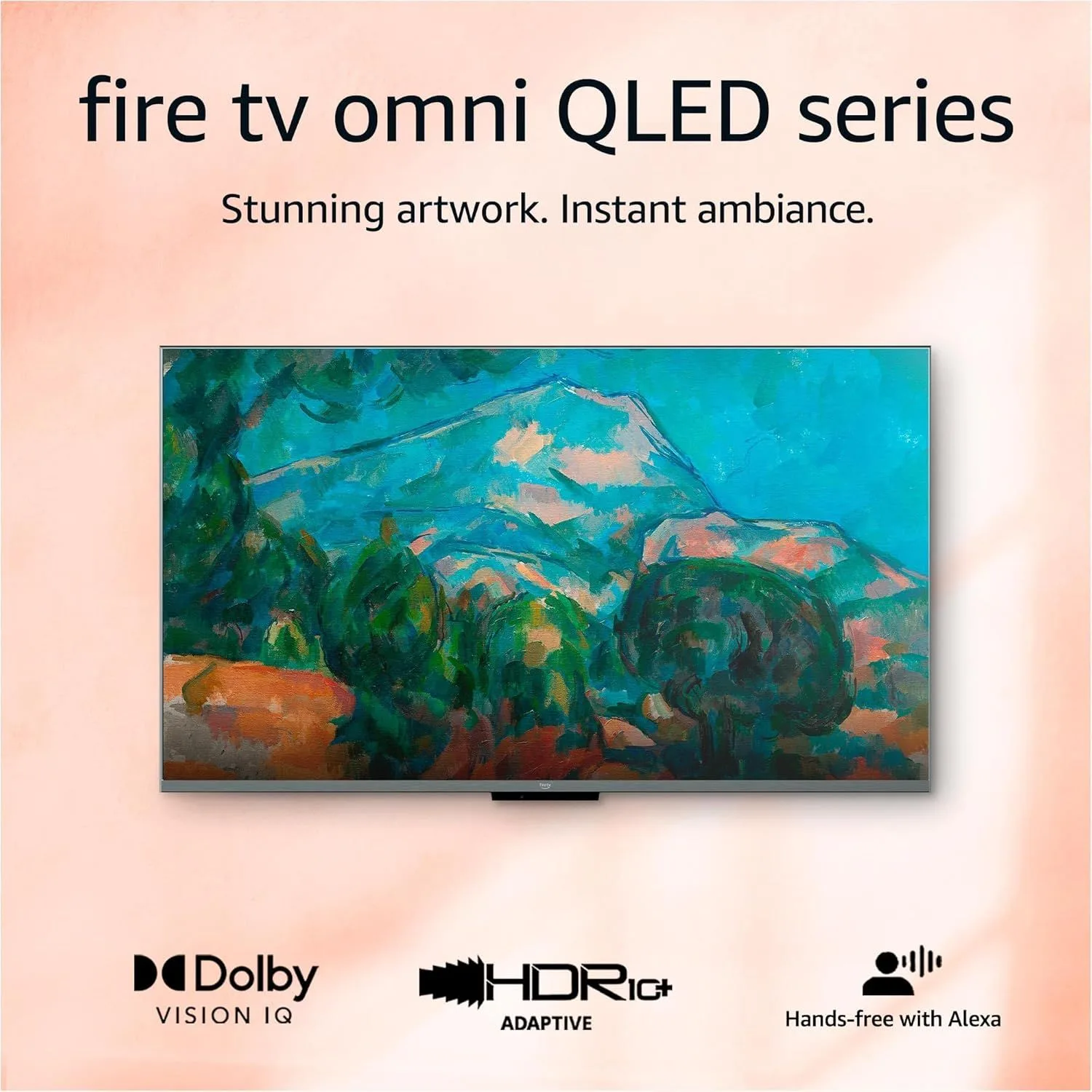
The 2023 Omni QLED at clearance pricing is a genuine value anomaly. You get QLED color enhancement and Ambient Experience at a price that barely qualifies as mid-range. But stock is limited.
Pros
- QLED color at near-budget pricing thanks to 2023 closeout
- Ambient Experience art mode and smart home dashboard
- Dolby Vision and HDR10+ dual format support
Cons
- Previous generation — 2025 model has better specs
- 60Hz panel limits gaming potential
- Fire TV interface is heavily ad-driven
9. Samsung 55" Q7F QLED Smart TV (2025) — Samsung ecosystem users wanting their first QLED at the lowest entry point
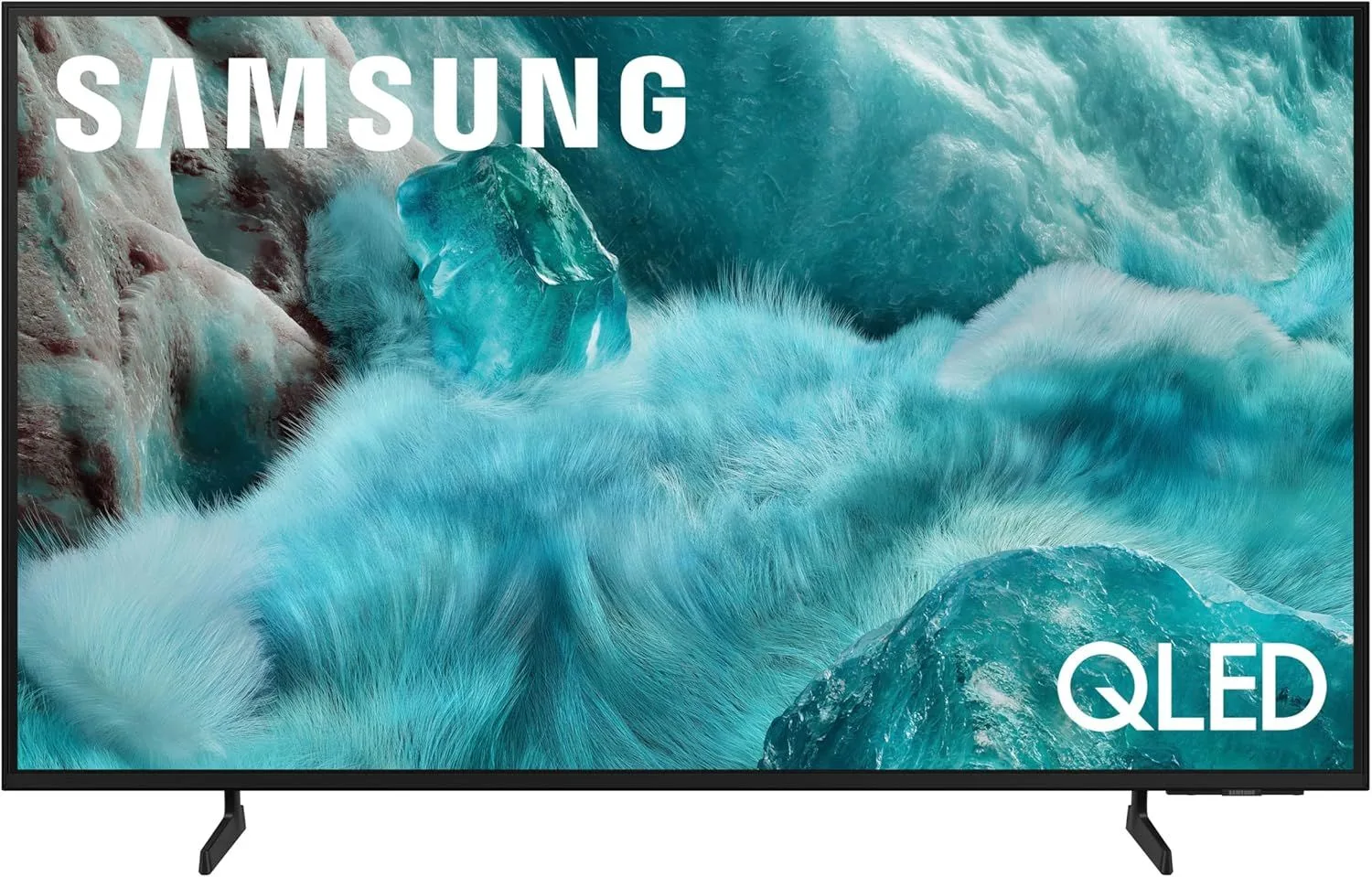
The Q7F is the entry point to Samsung's QLED lineup. The 120Hz panel is a nice upgrade over budget TVs, but the lack of local dimming and Dolby Vision means you're paying for the Samsung name.
Pros
- Quantum Processor 4K with improved upscaling
- 120Hz panel for smoother motion and basic gaming
- AirSlim design for clean wall mounting
Cons
- No Dolby Vision — Samsung HDR10+ ecosystem only
- Edge-lit with no local dimming zones
- Only 1 HDMI 2.1 port limits gaming flexibility
10. TCL 65" S5 4K Smart Fire TV — Fire TV users who want improved color and Dolby Vision at a competitive price
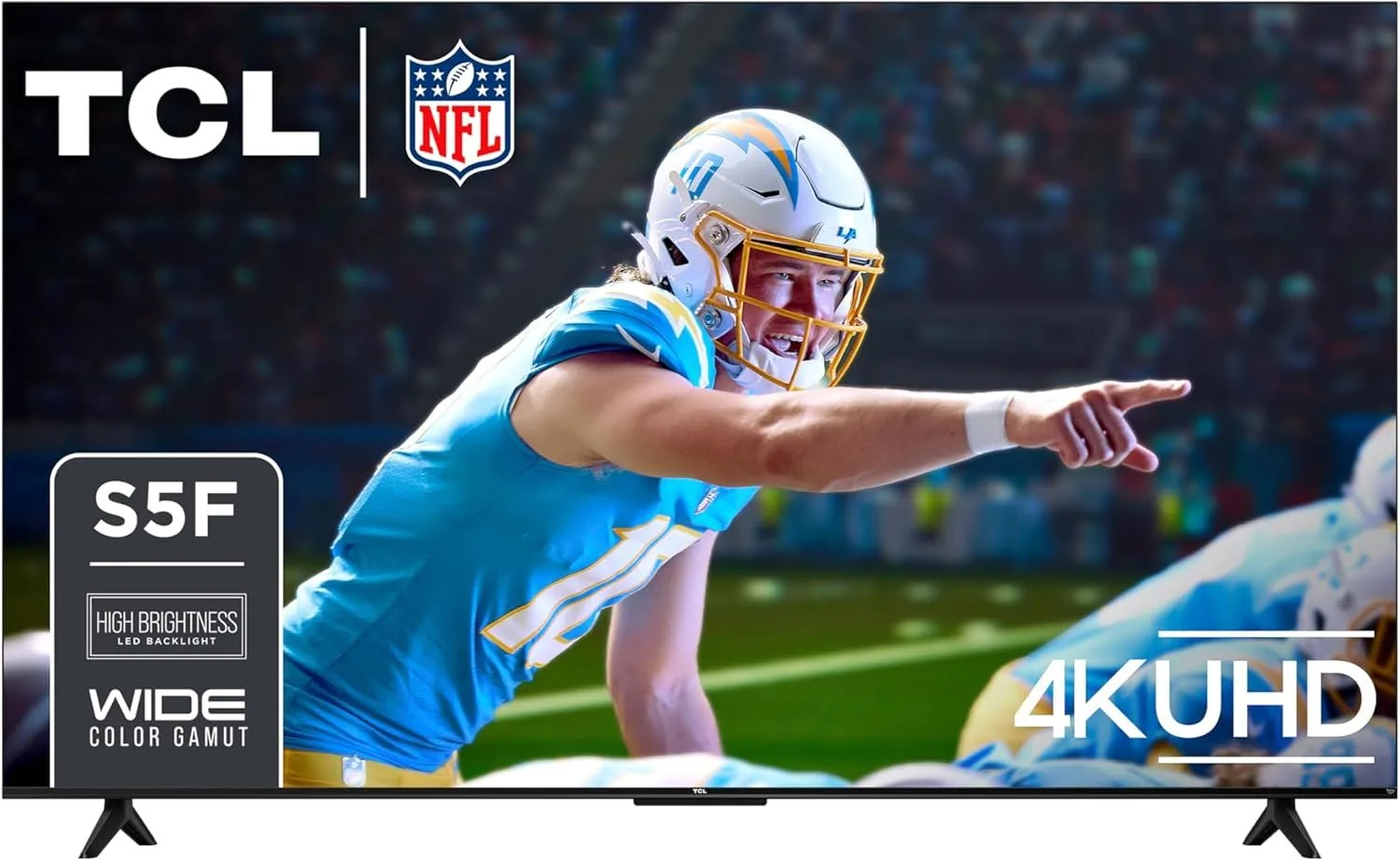
TCL's S5 bridges the gap between budget LED and QLED with improved color handling at a competitive price. Good for streaming-focused households on Fire TV.
Pros
- Enhanced color performance approaching QLED levels
- Dolby Vision and HDR10+ dual format support
- Competitive pricing for a feature-rich 65" Fire TV
Cons
- 60Hz limits gaming potential
- No local dimming for improved contrast
- Fire TV ads in the interface
11. Samsung 65" Q7F QLED Smart TV (2025) — Samsung loyalists who want QLED branding and Tizen at 65" with 120Hz
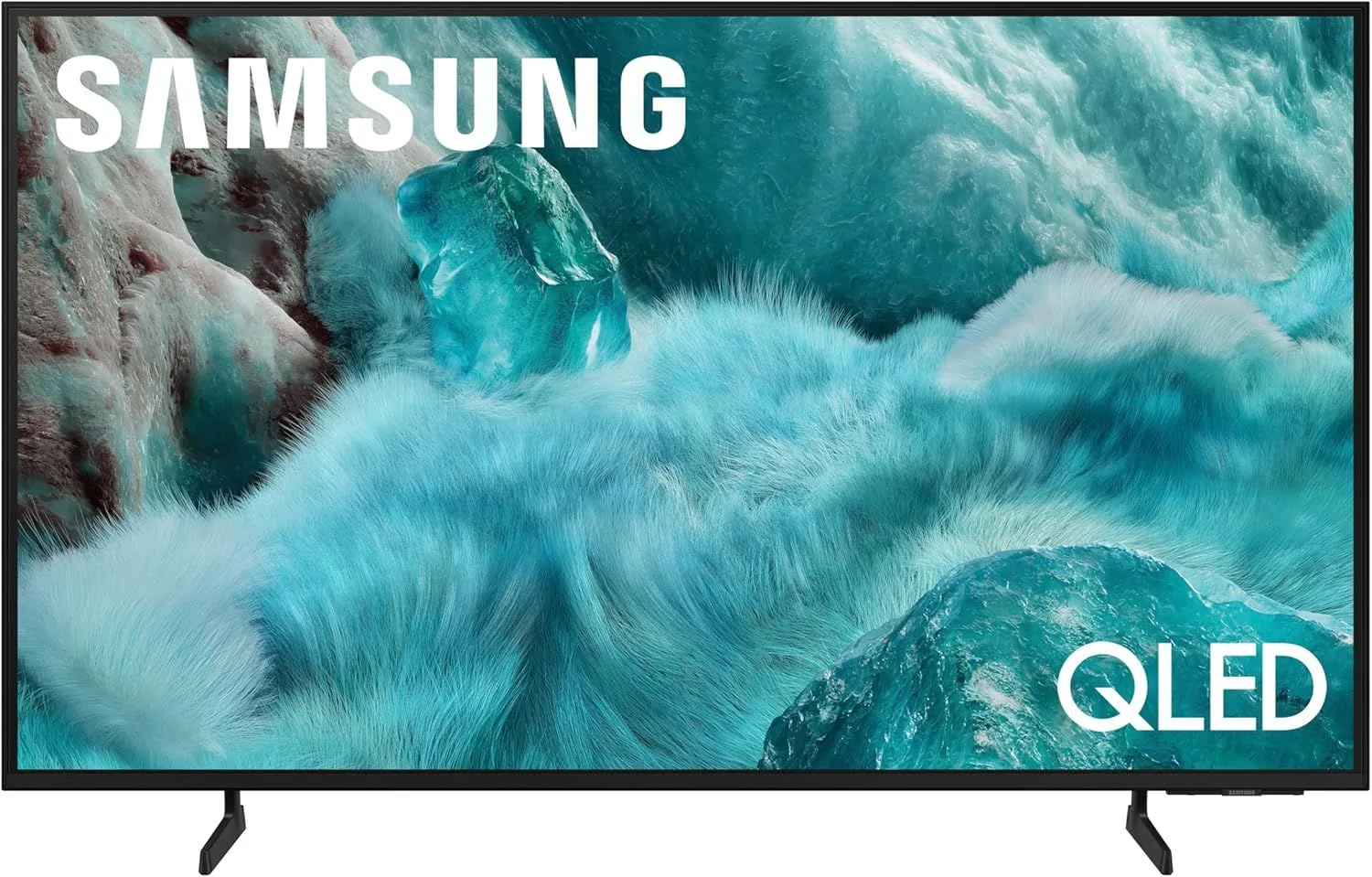
Samsung's 65" Q7F adds 120Hz and QLED branding, but the edge-lit panel without local dimming makes it hard to justify over TCL or Hisense alternatives that offer more for less.
Pros
- 120Hz panel enables smoother motion and basic gaming
- Quantum Processor 4K with AI upscaling
- Samsung Gaming Hub with cloud gaming access
Cons
- No Dolby Vision support
- Edge-lit with no local dimming zones
- Only 1 HDMI 2.1 port — limits multi-console setups
12. LG 65" QNED82 4K Smart TV (2025) — LG ecosystem users who want improved color accuracy with webOS at 65"
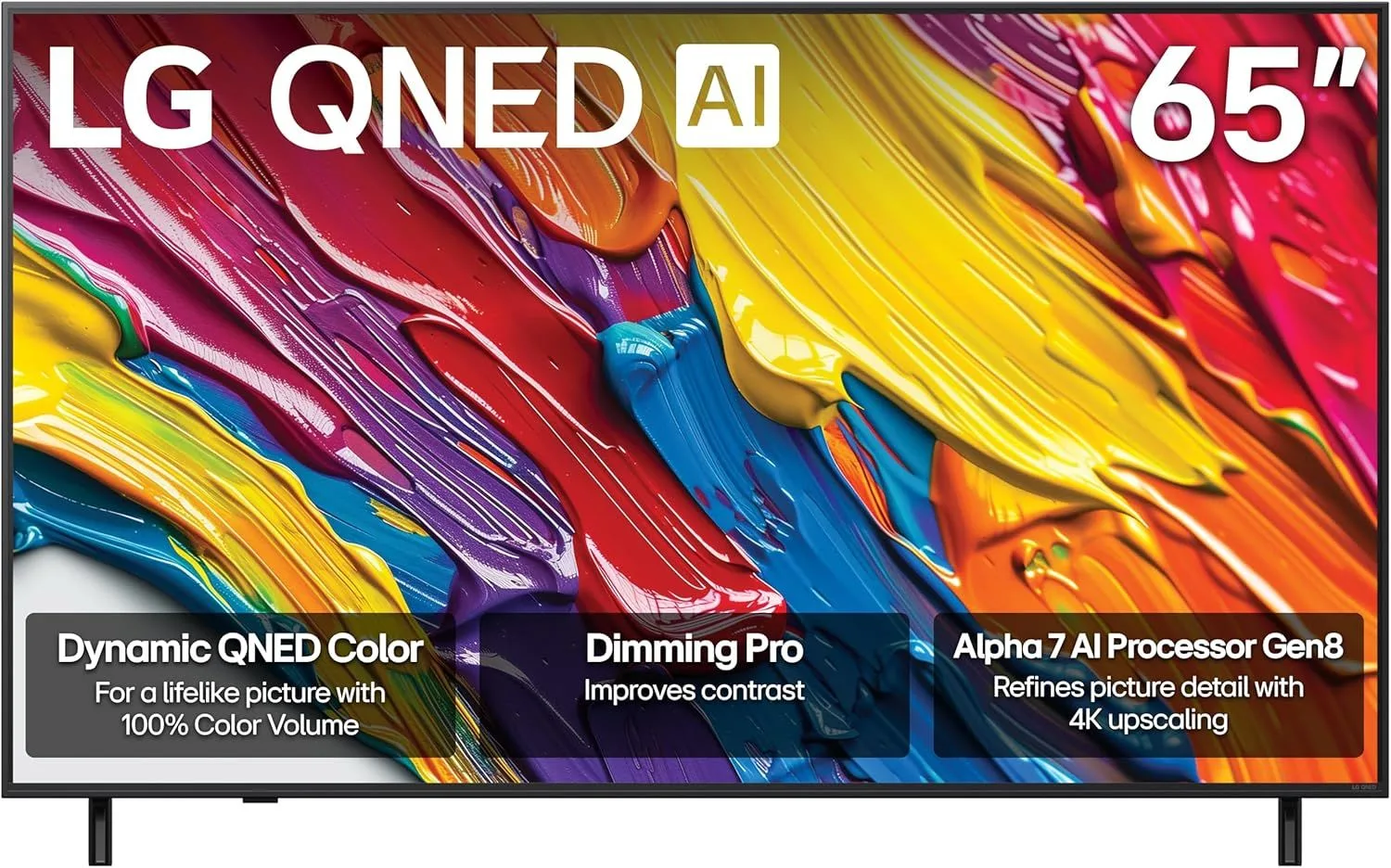
LG's QNED82 brings NanoCell color filtering and webOS to the mid-range. The viewing angles are genuinely wider than VA-panel competitors, making it ideal for wider seating arrangements.
Pros
- NanoCell technology improves color accuracy and viewing angles
- webOS with LG ThinQ AI and Apple AirPlay
- 120Hz panel with HDMI 2.1 for gaming
Cons
- Not true QLED — NanoCell uses a different color enhancement approach
- Peak brightness trails Samsung and TCL QLEDs
- Edge-lit panel limits contrast performance
13. Amazon Fire TV 55" Omni QLED Series (2025) — Amazon ecosystem power users who want gaming capability and smart home control
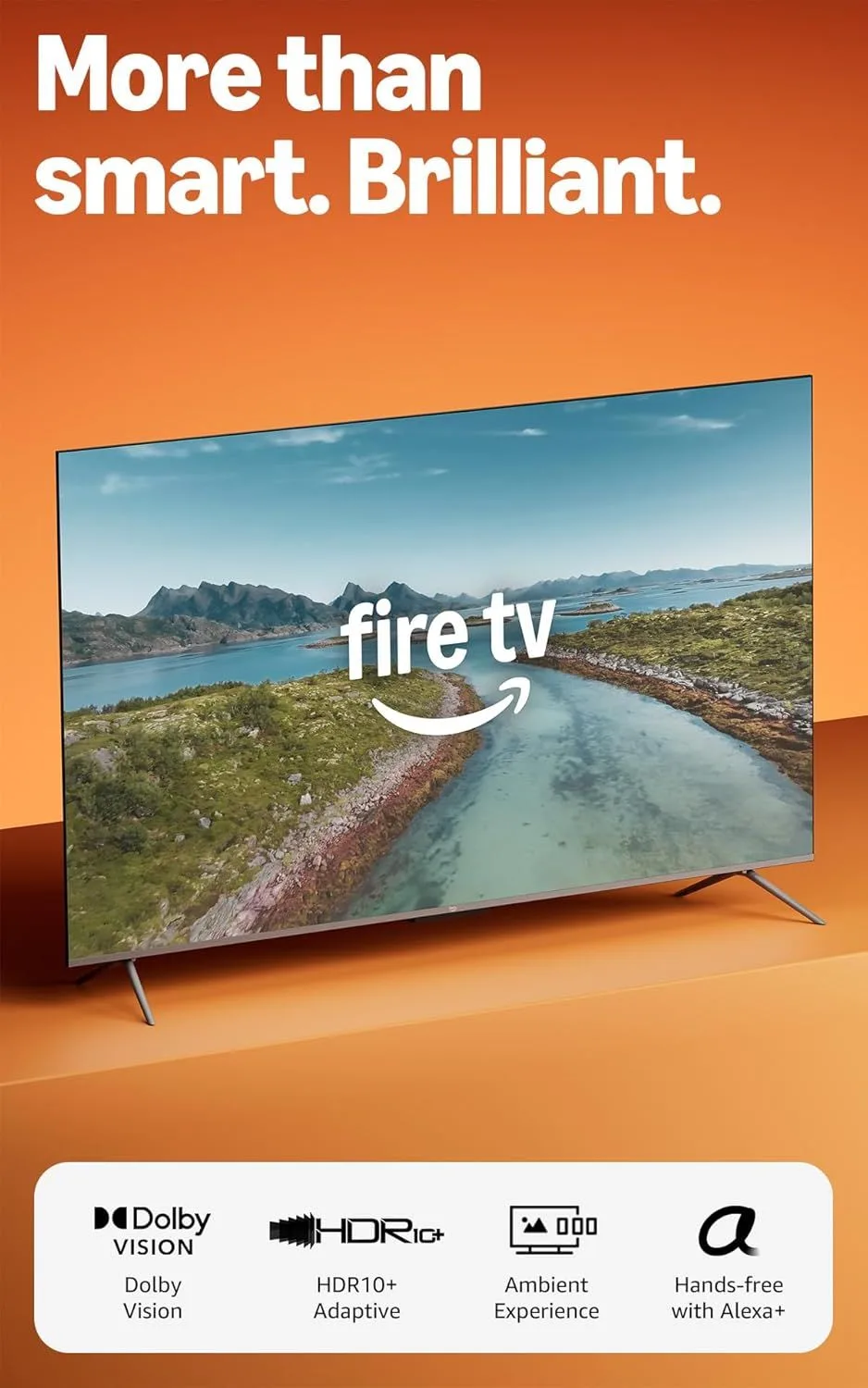
The definitive Fire TV experience. Amazon's 2025 Omni QLED combines QLED color, 120Hz gaming, and the deepest Alexa integration available. The trade-off is living inside Amazon's ecosystem.
Pros
- 120Hz panel with HDMI 2.1 for gaming and VRR
- Most advanced Alexa smart home integration
- Ambient Experience 2.0 with art mode
Cons
- Fire TV ads remain aggressive throughout the interface
- Mid-range brightness falls short of Samsung and TCL QLEDs
- Amazon ecosystem lock-in may frustrate switching later
14. Samsung 75" Q7F QLED Smart TV (2025) — Samsung loyalists who want a large 75" QLED with 120Hz and Tizen
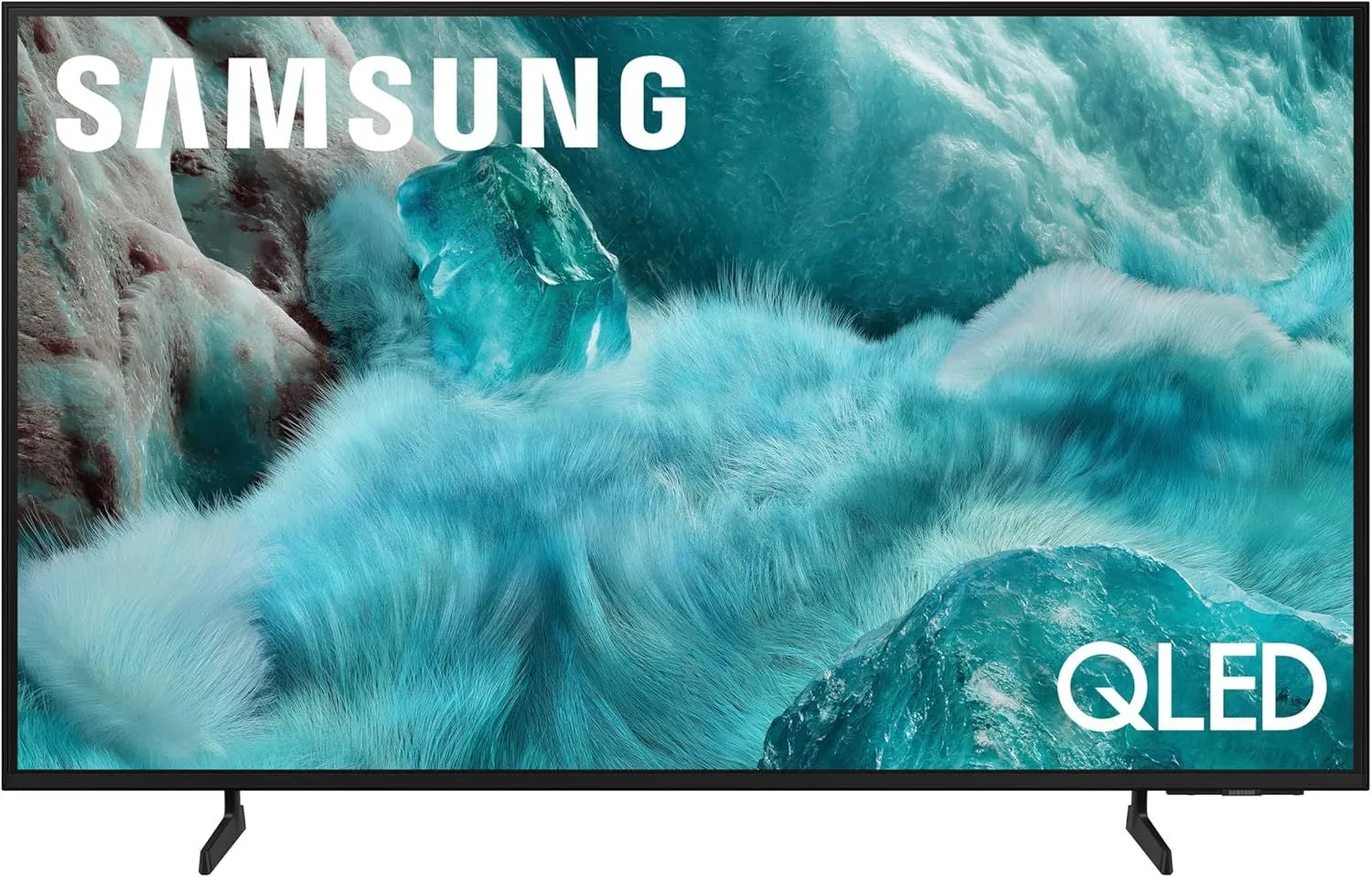
Samsung's 75" Q7F delivers the Samsung ecosystem at scale, but the lack of local dimming at this size and price is a hard sell when competitors offer Mini-LED for similar money.
Pros
- 120Hz at 75" with Samsung Gaming Hub
- Quantum Processor 4K handles large-screen upscaling
- AirSlim design for wall mounting
Cons
- No Dolby Vision
- No local dimming at 75" is a real limitation
- Overpriced vs TCL and Hisense 75" options with better specs
15. Amazon Fire TV 75" Omni QLED Series (2025) — Amazon smart home enthusiasts wanting a big-screen centerpiece
Amazon's 75" Omni QLED is the ultimate Fire TV showcase. But at over $1,000, you're paying heavily for the Alexa ecosystem when Mini-LED TVs offer dramatically better picture quality for similar money.
Pros
- 75" QLED with 120Hz and full Ambient Experience
- Deepest Alexa integration and smart home hub features
- HDMI 2.1 for next-gen console gaming
Cons
- Premium pricing for 75" QLED territory
- Fire TV ads throughout the interface
- Limited local dimming compared to Mini-LED alternatives at this price
16. Hisense 75" E6 Cinema Series Hi-QLED Smart Fire TV — Movie watchers wanting a 75" cinematic experience without gaming features
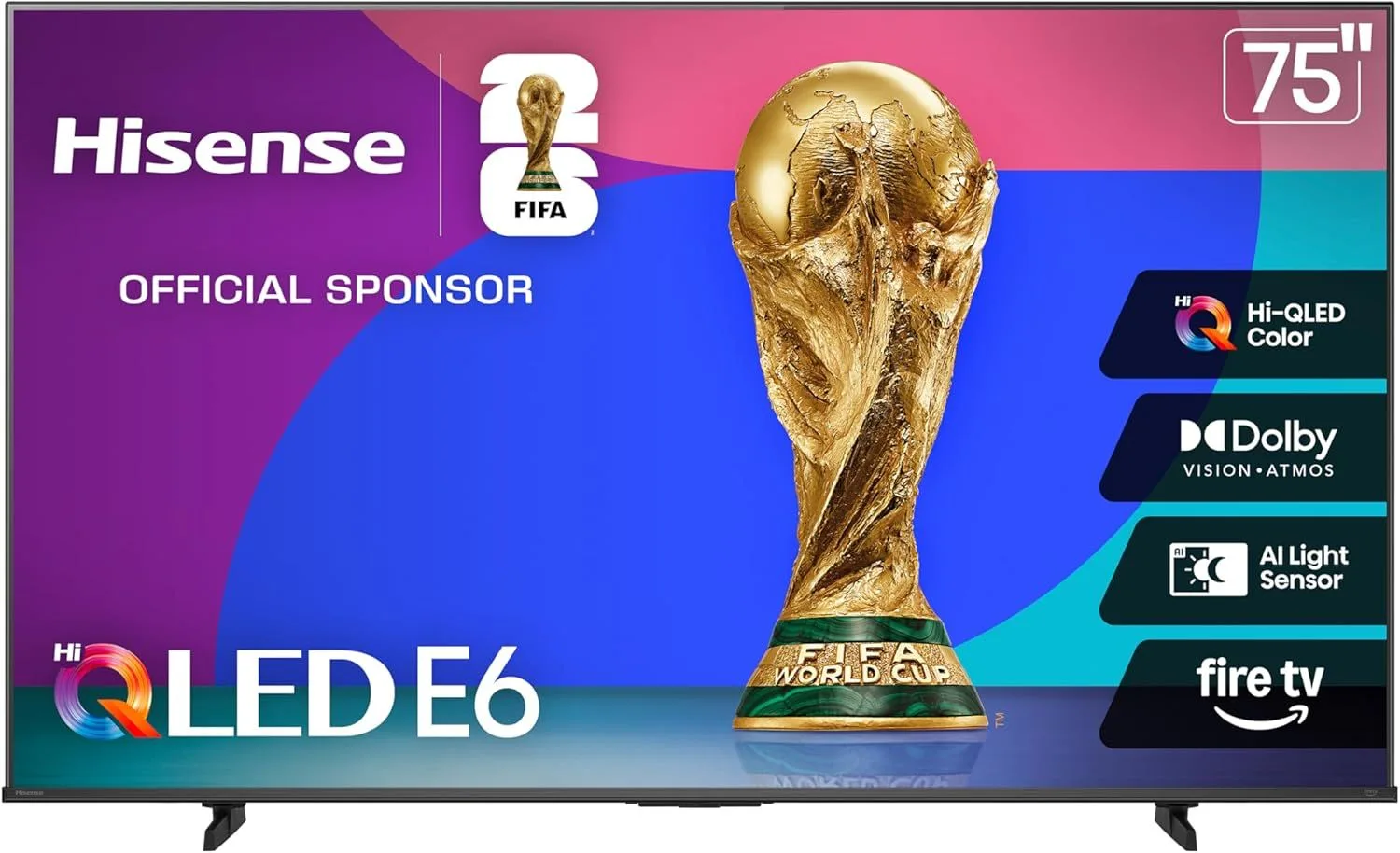
Hisense's Cinema Series targets movie watchers with Filmmaker Mode and Dolby Vision at 75" for under $500. Skip it for gaming, but for streaming movies and shows, the value is hard to beat.
Pros
- 75" QLED under $500 — tremendous screen-size value
- Filmmaker Mode and cinema-tuned processing
- Dolby Vision and HDR10+ dual format support
Cons
- 60Hz limits gaming to basic use
- No local dimming for improved contrast
- Only 3 HDMI ports with no HDMI 2.1
17. TCL 75" S5 4K Smart Fire TV — Budget-conscious buyers wanting a large 75" with enhanced color on Fire TV
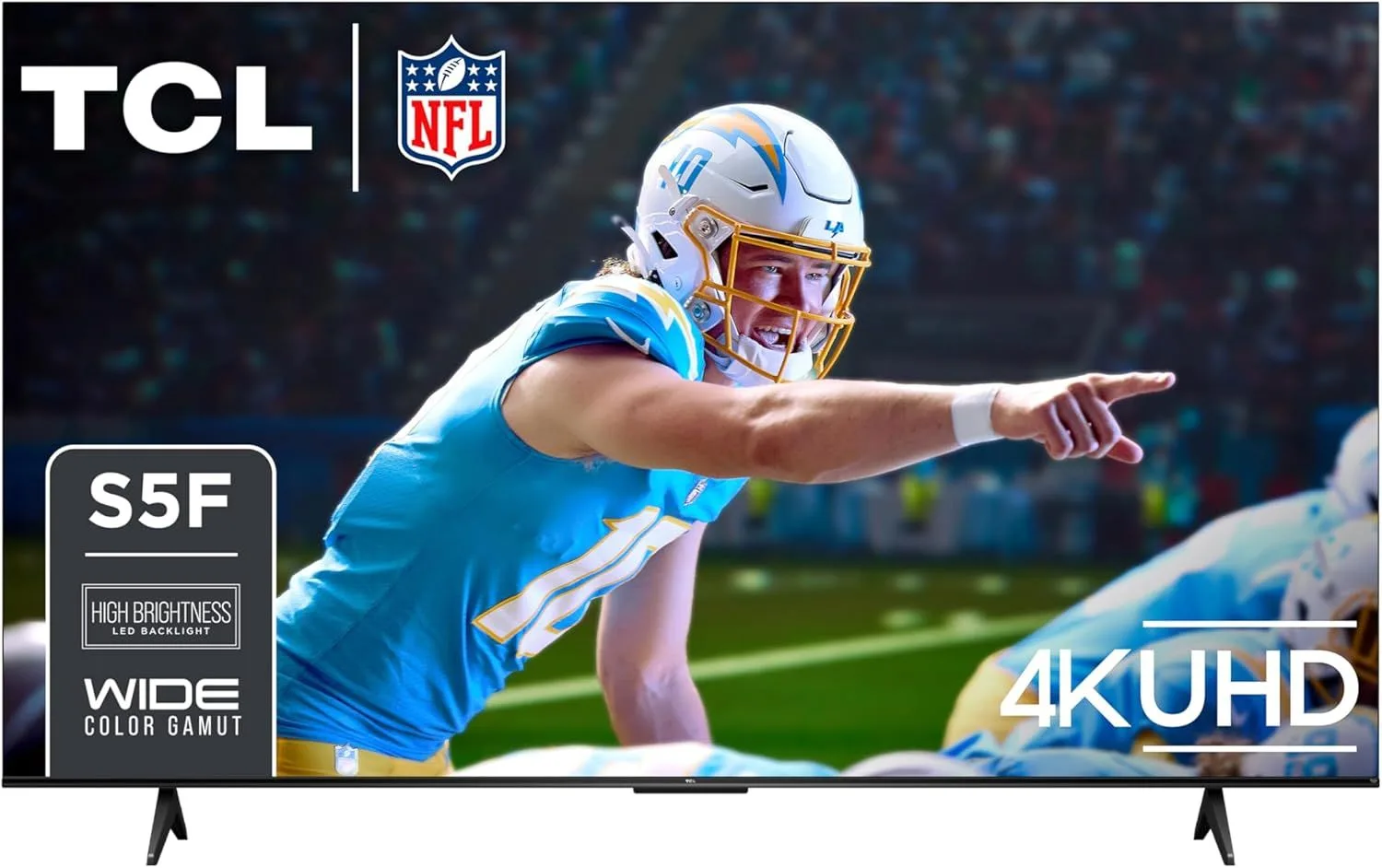
TCL's 75" S5 offers enhanced color over basic LED panels at a price well below most 75" QLEDs. Fine for casual streaming, but serious viewers should step up to Mini-LED.
Pros
- 75" with improved color performance for around $540
- Dolby Vision and HDR10+ support
- Fire TV platform with voice remote
Cons
- 60Hz panel with no gaming features
- No local dimming — contrast limited in dark scenes
- Motion handling at 75" can struggle with sports
How We Evaluated These TVs
Mid-range buyers expect more than just a working 4K panel. Our evaluation criteria reflect that shift:
- Color volume and accuracy — Quantum dot enhancement should produce visibly wider color gamut than budget LED. We compare DCI-P3 coverage and out-of-box accuracy across all QLED models.
- Gaming capability — 120Hz, HDMI 2.1, VRR, and input lag measurements. This is the tier where gaming features start appearing, and they vary wildly between models.
- Local dimming quality — Some mid-range models include full-array local dimming; others are edge-lit. The dimming implementation quality matters more than zone count alone.
- Processing and upscaling — How well each TV handles mixed-quality content. Most real-world viewing is 1080p streaming upscaled to 4K, so processing quality directly impacts day-to-day picture quality.
- Value relative to Mini-LED — At the upper end of mid-range pricing, Mini-LED alternatives exist. We penalize QLEDs that cost as much as entry Mini-LEDs without matching their performance.
Mid-Range TV Buying Guide: QLED and Beyond
QLED Color: Worth the Upgrade?
Quantum dot color enhancement is the defining feature of this tier. In practical terms, it means more vivid reds, greens, and blues — particularly visible in HDR content, nature documentaries, and games with saturated color palettes. The upgrade from standard LED to QLED is immediately noticeable in a side-by-side comparison. Whether you notice it in daily use depends on your content and how sensitive you are to color accuracy.
120Hz: The Gaming and Sports Differentiator
If you own a PS5, Xbox Series X, or a gaming PC, 120Hz is the single most impactful upgrade in this tier. It doubles the frame rate ceiling, making fast-paced games feel smoother and more responsive. For non-gamers, 120Hz improves motion handling for sports and fast-moving content through native high-frame-rate playback and more effective motion interpolation.
Local Dimming: The Contrast Upgrade
Full-array local dimming divides the LED backlight into zones that can brighten or dim independently. This improves contrast in dark scenes — bright objects next to dark backgrounds look more defined instead of hazy. Edge-lit QLEDs without local dimming rely solely on the VA panel's native contrast. If you watch a lot of movies in a dimmed room, local dimming matters.
Platform Considerations at This Price
At mid-range pricing, your smart platform choice has longer-term implications. Samsung's Tizen locks you into the Samsung ecosystem. Amazon's Fire TV integrates deeply with Alexa. Google TV offers the widest app selection. Roku keeps things simple and ad-light. LG's webOS delivers a polished interface with strong Apple AirPlay integration. Consider which ecosystem you are already invested in before prioritizing raw specs.
Frequently Asked Questions
What is the difference between QLED and regular LED?
QLED TVs add a quantum dot layer in front of the LED backlight. This layer converts blue light into pure red and green, producing a wider color gamut and brighter highlights. The result is more vivid, saturated colors — especially noticeable in HDR content. The underlying backlight technology is still LED, so QLED is an enhancement rather than a fundamentally different display type.
Is QLED better than OLED?
They excel in different areas. QLED delivers brighter highlights and has no burn-in risk, making it better for bright rooms and mixed-use content. OLED offers perfect blacks and infinite contrast, which is superior for dark room movie watching. QLED also costs significantly less at comparable screen sizes.
Do I need 120Hz for streaming?
No. Streaming content is delivered at 24fps (movies) or 30/60fps (TV shows and live events). A 120Hz panel smooths motion through frame interpolation, which some viewers find more natural for sports. The primary benefit of 120Hz is gaming — PS5 and Xbox Series X can output at 120fps in supported titles.
Which smart TV platform is best for QLED TVs?
Samsung uses Tizen, Amazon uses Fire TV, Roku has Roku OS, LG uses webOS, and Sony and TCL use Google TV. For the widest app selection, Google TV leads. For simplicity, Roku OS is hard to beat. For smart home integration, Fire TV (Alexa) and Tizen (SmartThings) are strongest. There is no universally "best" platform — it depends on your ecosystem.
Is the Roku Pro Series really as good as Samsung QLED?
In picture quality, yes — the Roku 65" Pro Series includes full-array local dimming and QLED color at a lower price than Samsung equivalents. Where Samsung wins is ecosystem integration (SmartThings, Gaming Hub) and anti-reflection coating quality. The Roku wins on interface simplicity and value.
Should I buy the 2023 Amazon Omni QLED at clearance or the 2025 model?
The 2023 model at clearance pricing is a strong deal if you do not need 120Hz or HDMI 2.1 for gaming. It includes QLED color and Ambient Experience at a significantly lower price. The 2025 model adds 120Hz, HDMI 2.1, and improved processing — worth it primarily for gamers and those who want future-proofing.
Why are Sony TVs more expensive with similar specs?
Sony charges for its X1 image processor, which delivers measurably better upscaling, color accuracy, and motion handling than competing chips. The panel specs may look similar on paper, but Sony processing makes the same panel look noticeably better in side-by-side comparisons. Whether that processing premium is worth paying depends on how much you value picture quality over features.
Our Top Pick
The Roku 65" Pro Series QLED Smart TV (2025) earns the top spot as the best mid-range QLED for roku loyalists and non-technical users wanting great picture without platform complexity. It delivers the best combination of picture quality, features, and value in this competitive category.